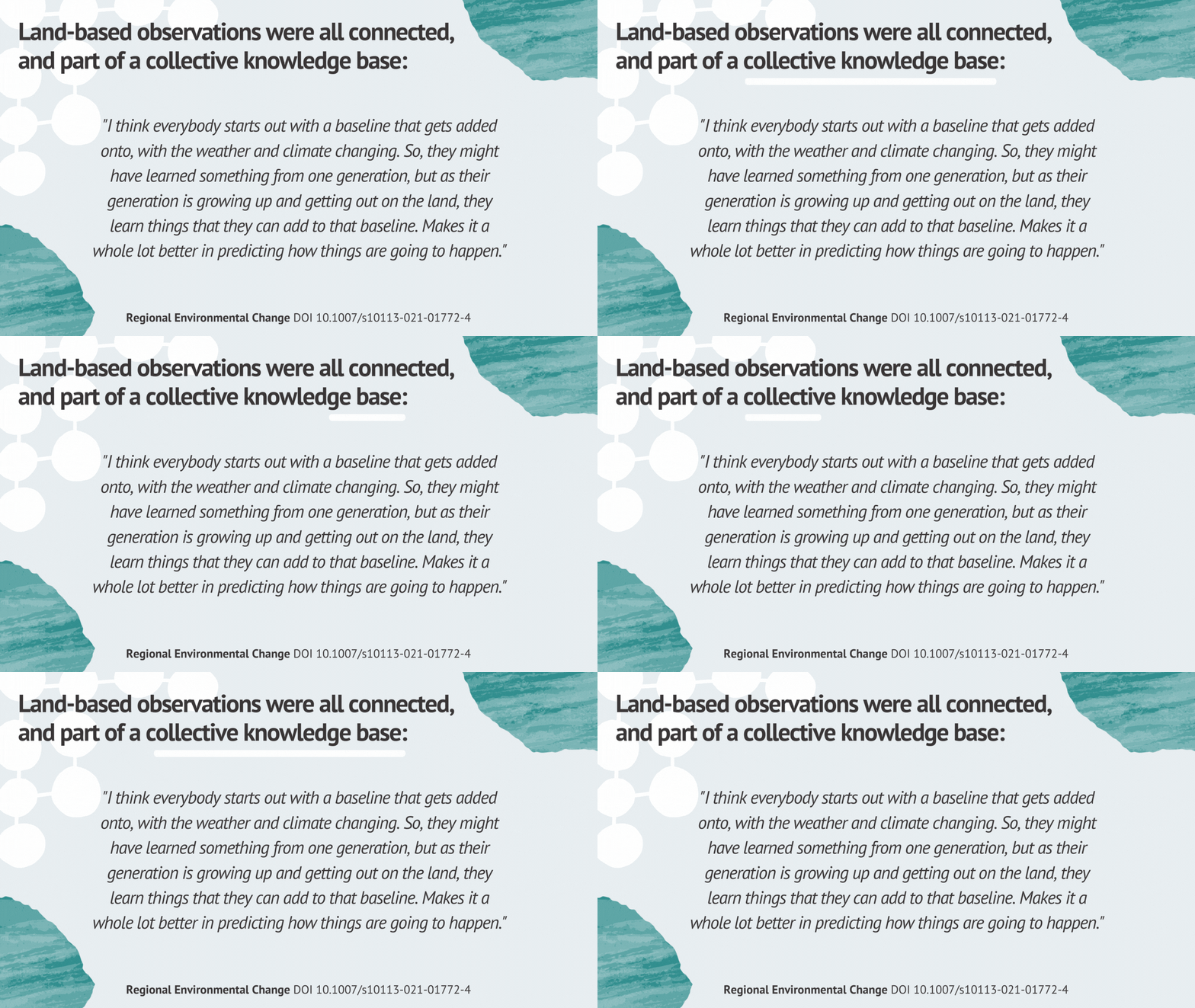
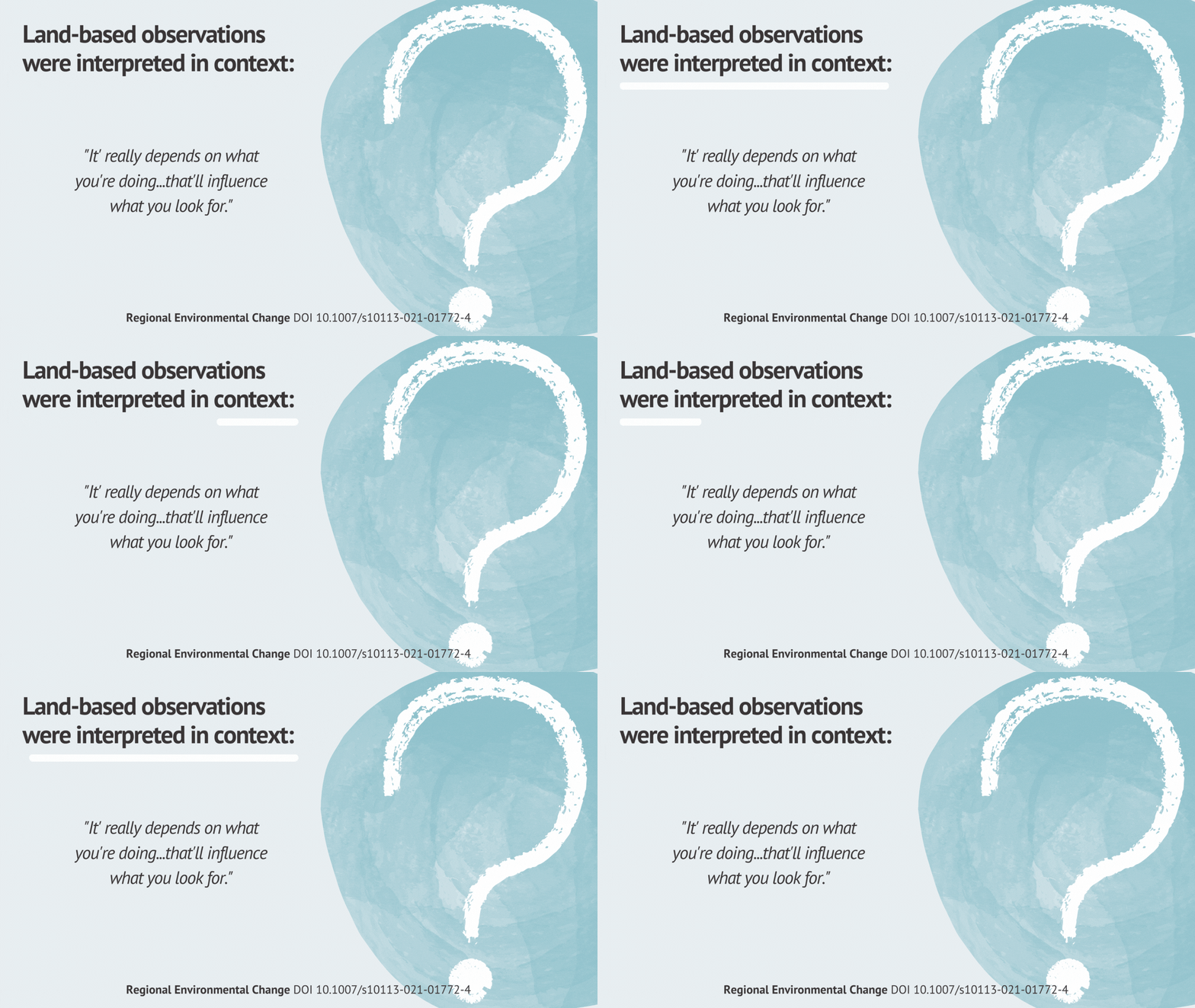
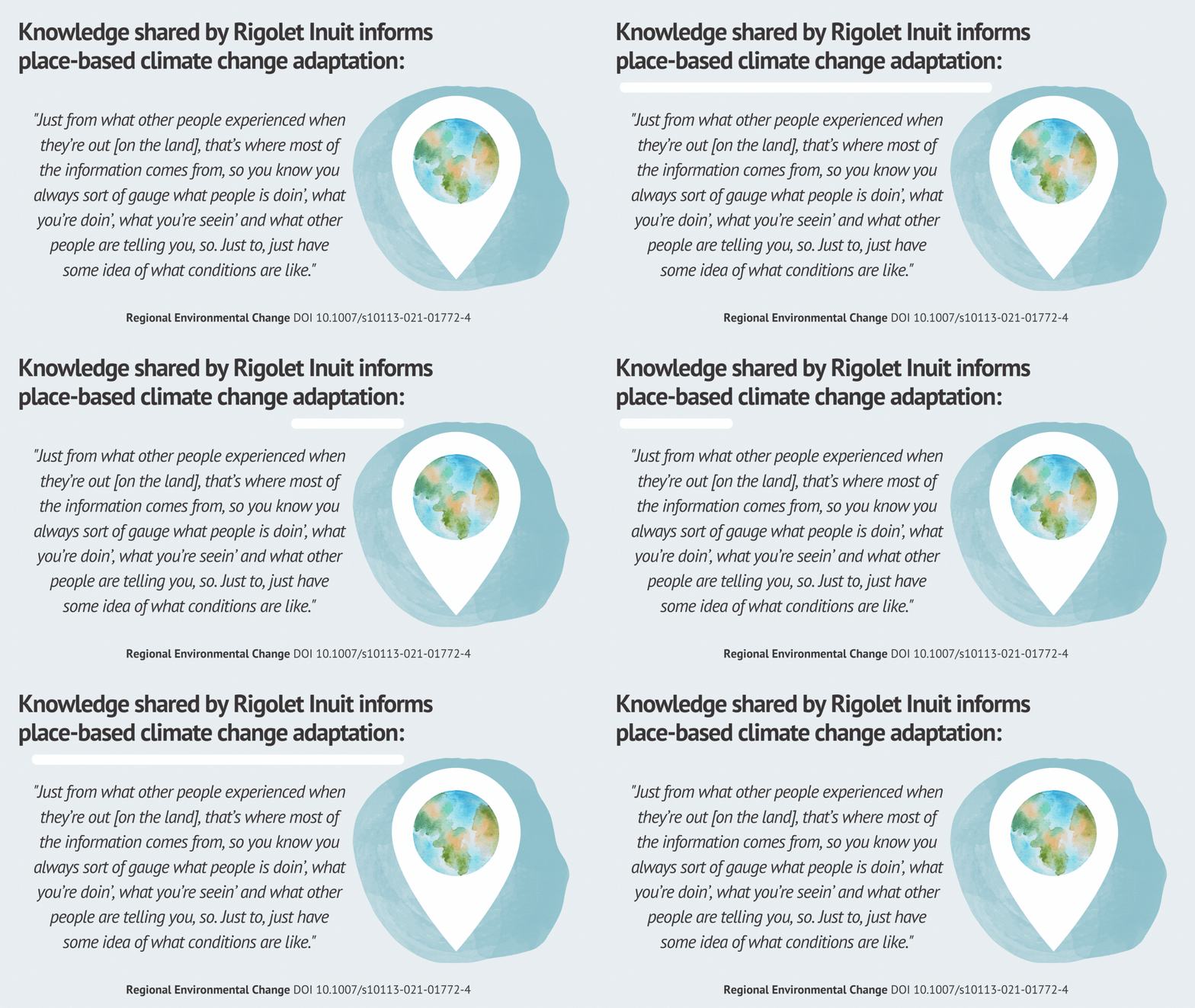
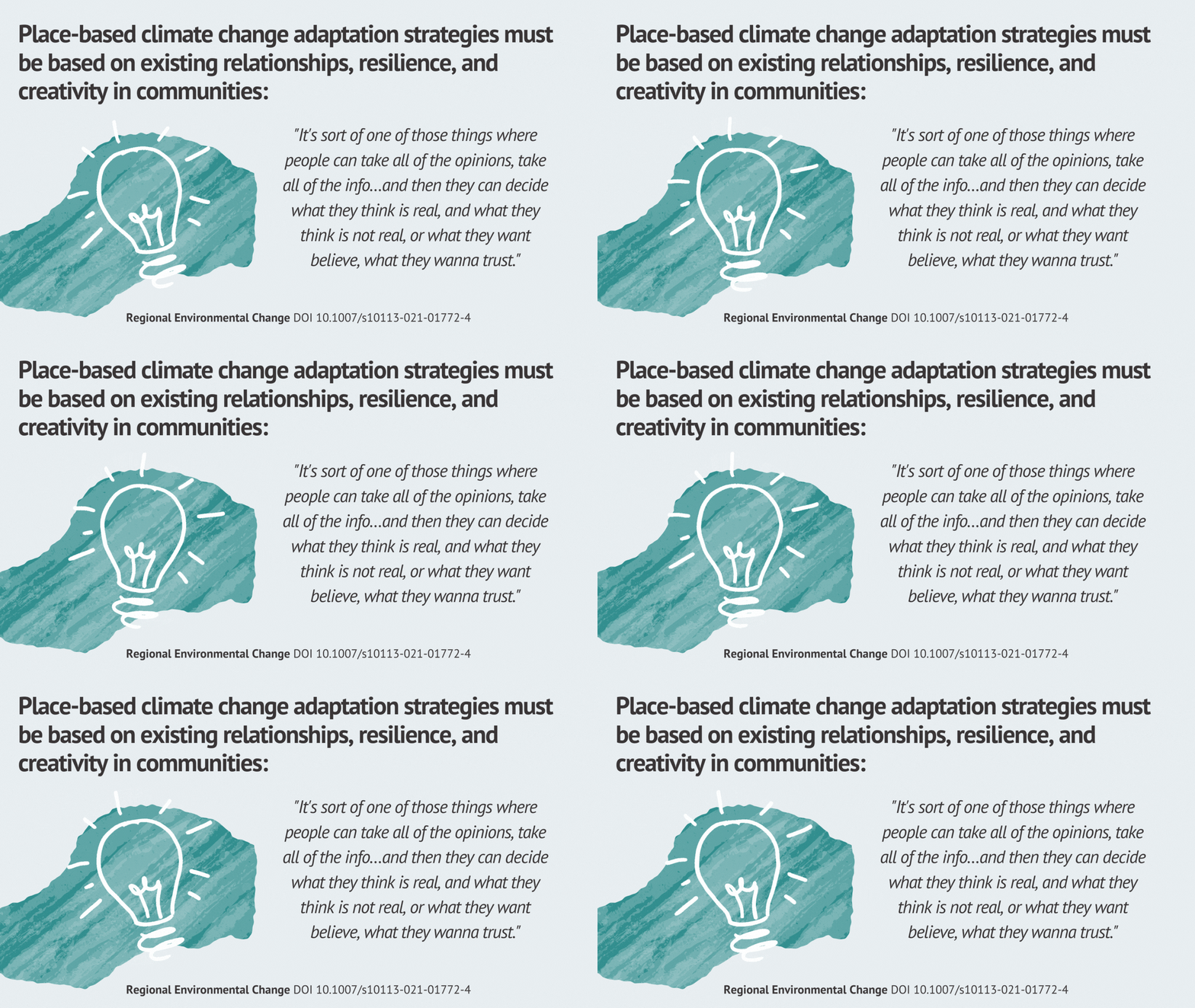
New Publication! How do Inuit identify and use metrics that matter for climate change adaptation? Read more here!

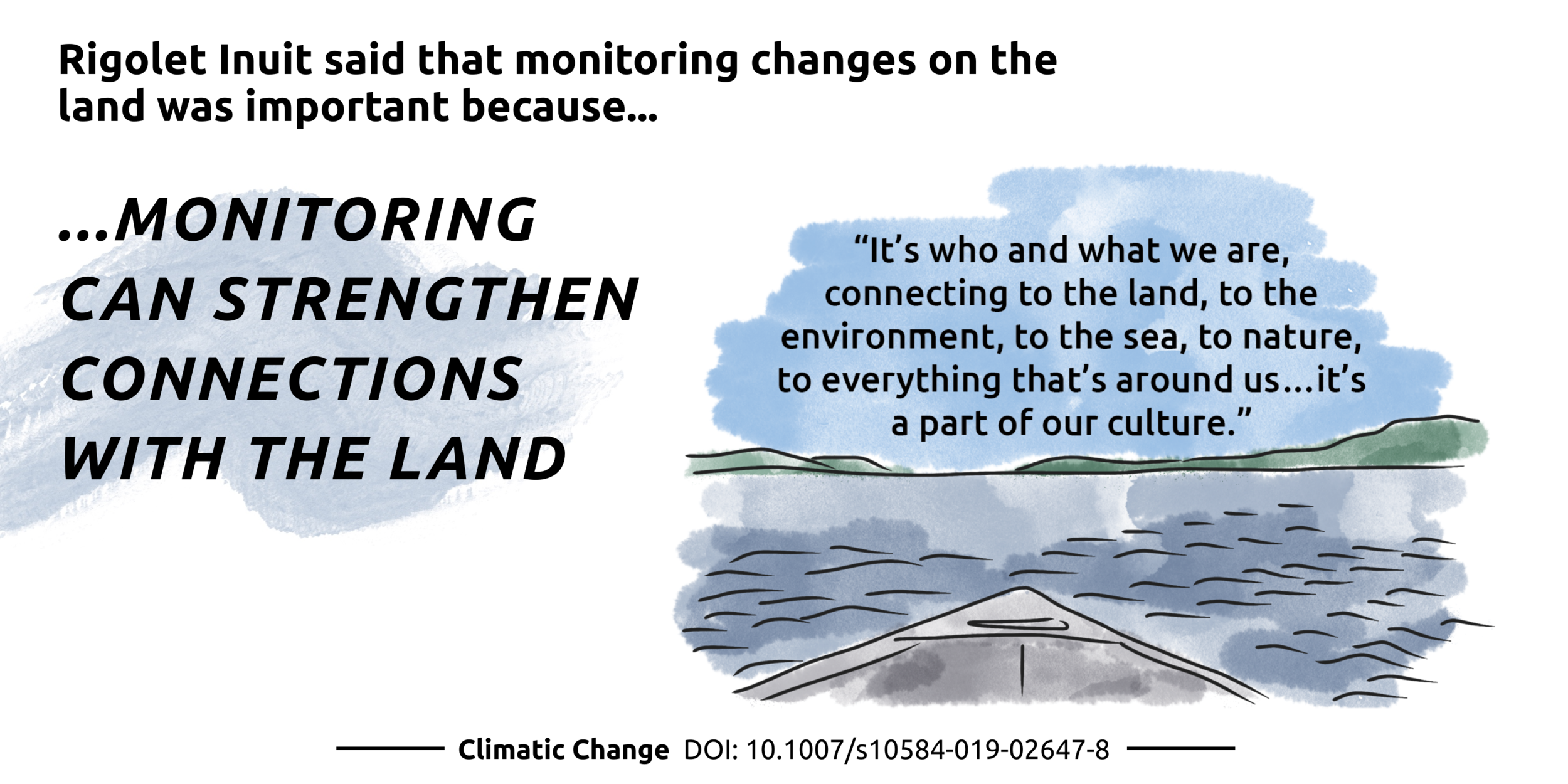
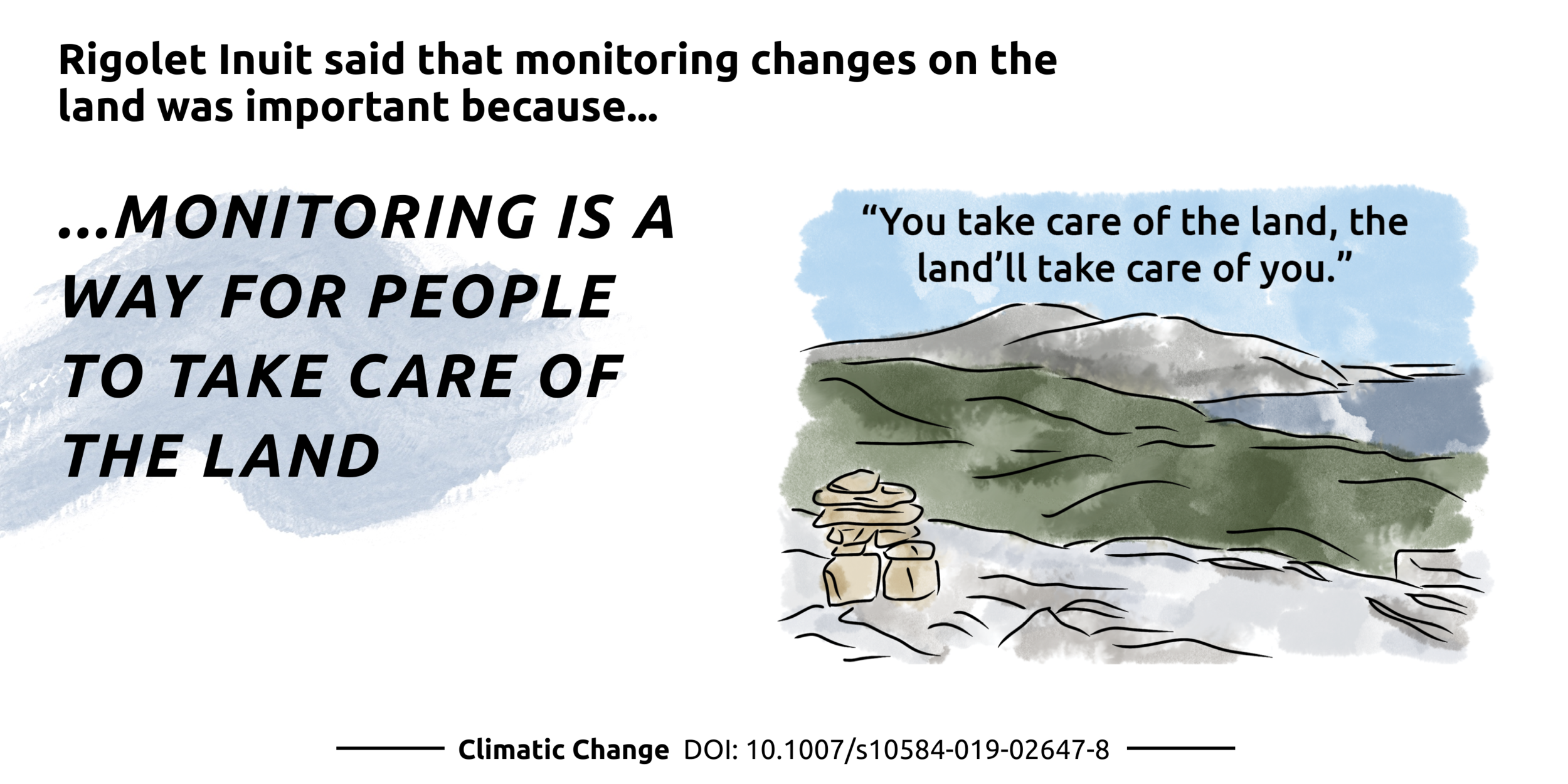
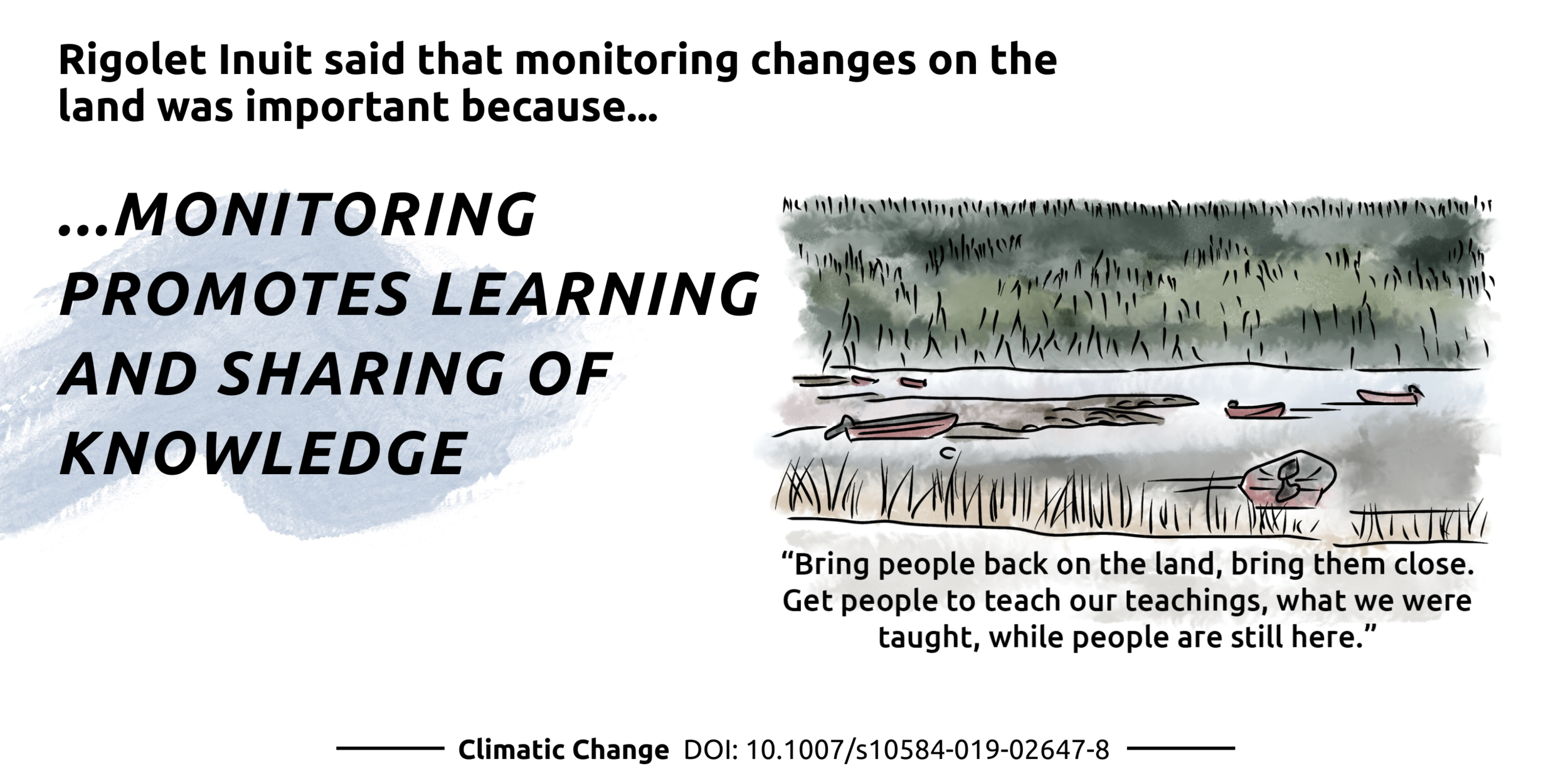
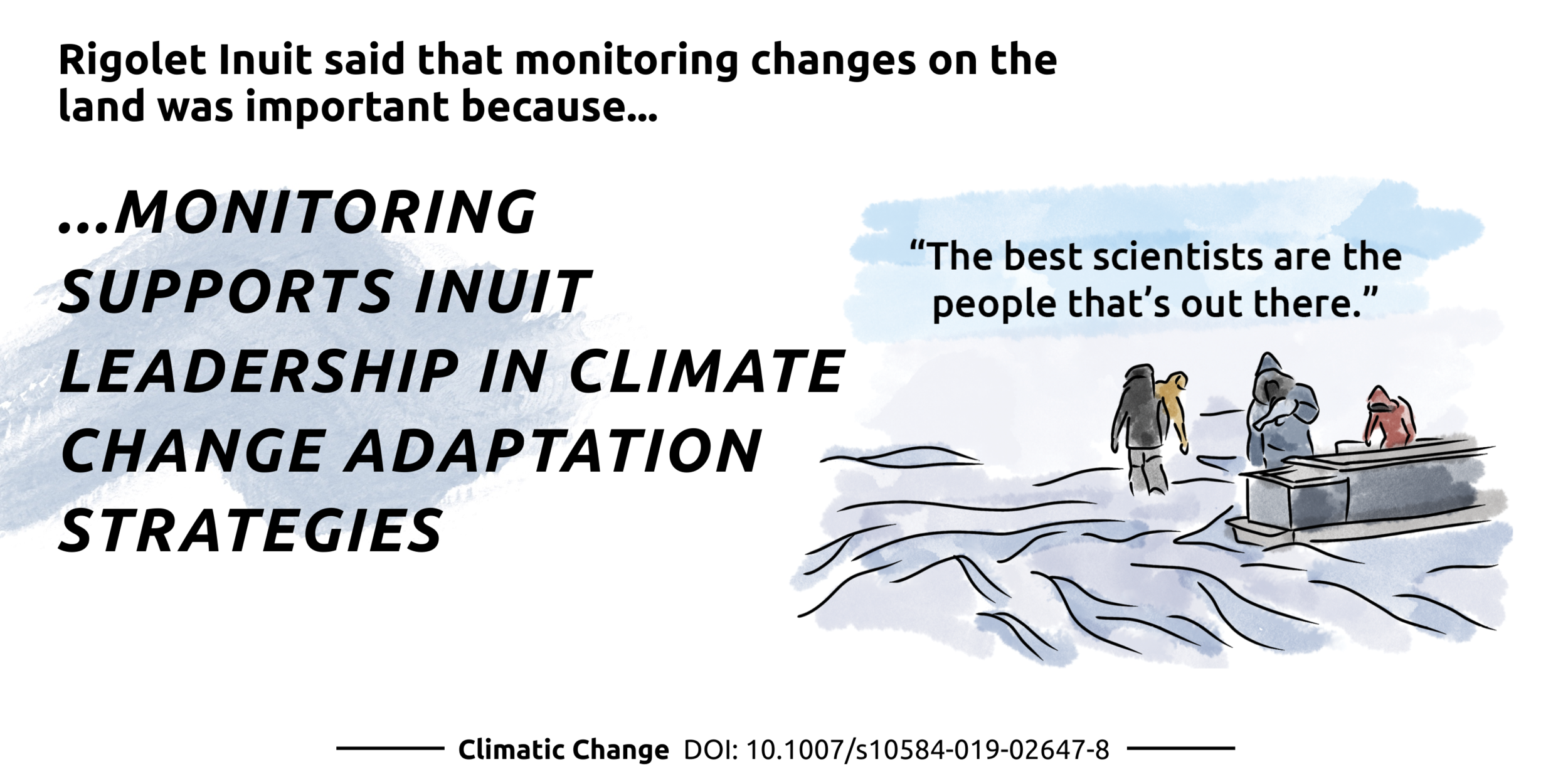
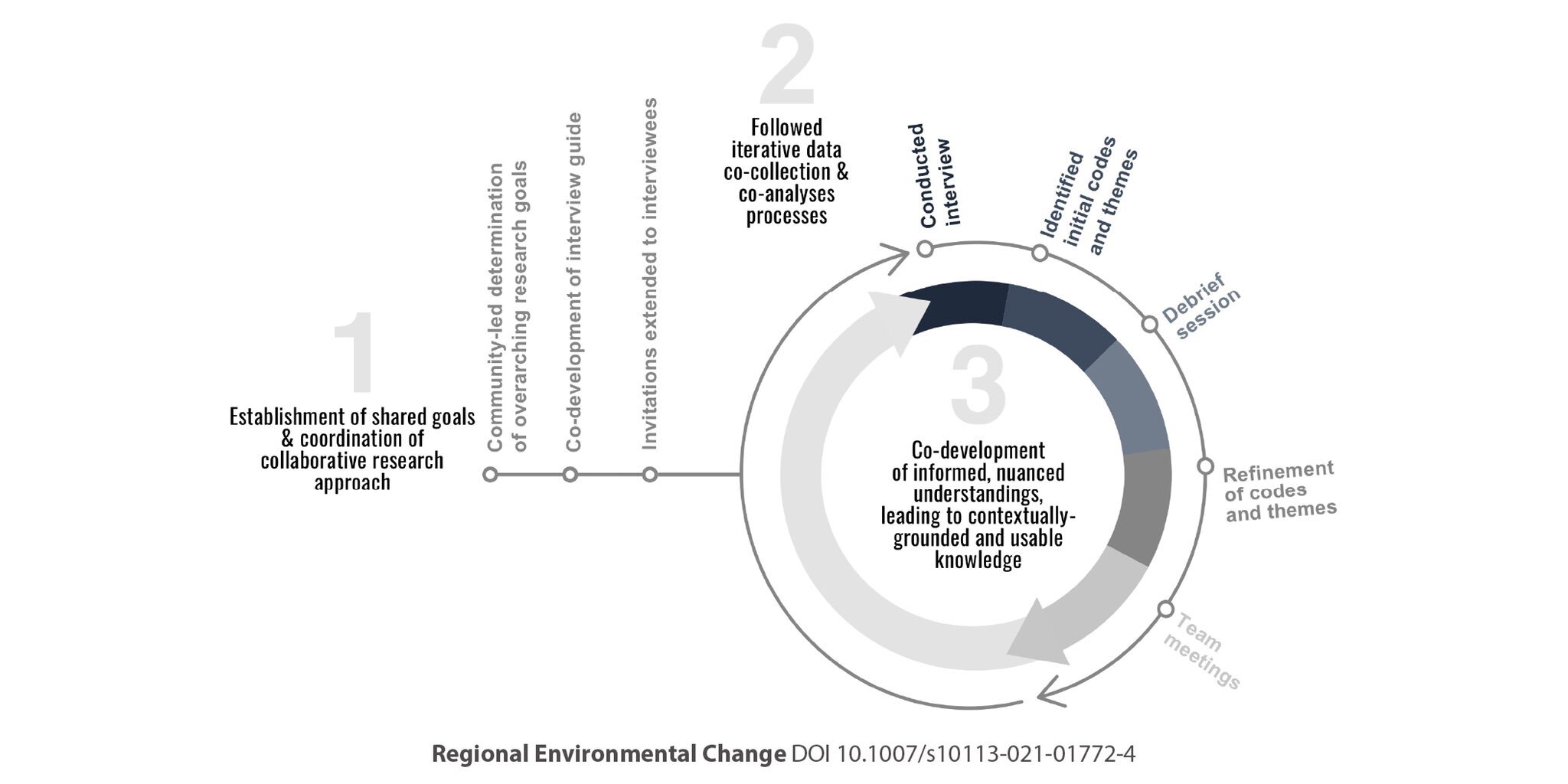
Our new publication explores how Rigolet Inuit identify & use land-based observations for community-led, place-based climate change adaptation in the North.

This research was conducted in partnership with Inuit and was authored by Alex Sawatzky, Ashlee Cunsolo, Inez Shiwak, Charlie Flowers, Andria Jones-Bitton, Dan Gillis, Jacqueline Middleton, Michele Wood, and Sherilee Harper.


What are the key findings?
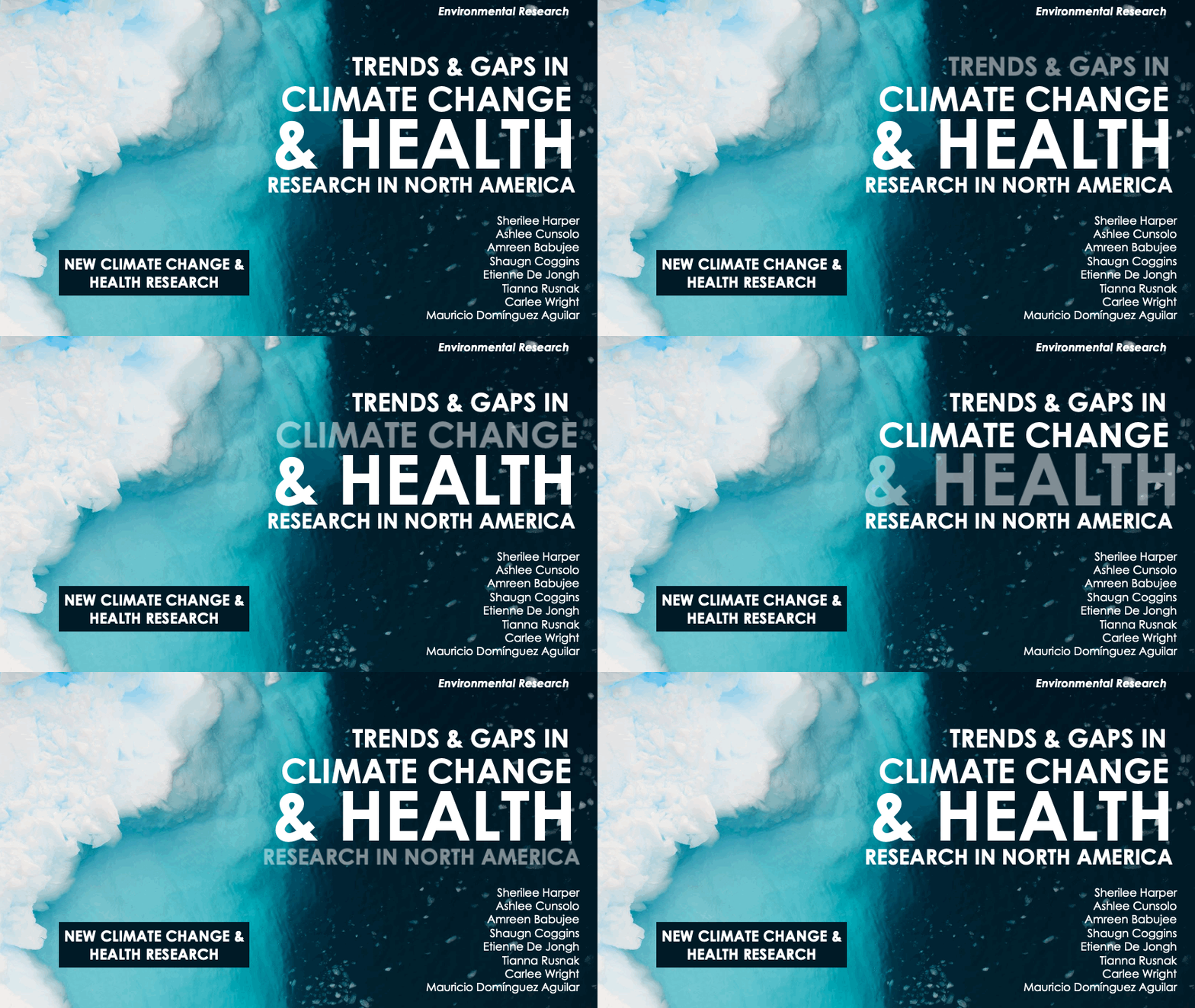
New Publication! How has the climate and health literature evolved since the last IPCC Assessment Report? Check out our main findings here!

How has climate change and health research in North America advanced since the last IPCC Assessment Report (AR5)? Read our new research recently published in Environmental Research to find out!

Congratulations to the entire author team: Sherilee Harper, Ashlee Cunsolo, Amreen Babujee, Shaugn Coggins, Etienne de Jongh, Tianna Rusnak, Carlee Wright, and Mauricio Domínguez Aguilar!

1_Social Media_Climate Change and Health Scoping Review.gif

Here is a summary of our main findings.  

We used a scoping review approach to systematically identify and examine publication trends. We examined 56,000+ potentially relevant articles, of which 756 articles measured climate and health in North America since IPCC AR5.

2_Social Media_Climate Change and Health Scoping Review.gif

Urban heat-related and respiratory research in USA dominates the North American climate-health literature.

Gaps on previously neglected climate-health outcomes are beginning to be filled but are still under-researched, including mental health, nutrition, and foodborne disease.

3_Social Media_Climate Change and Health Scoping Review.gif

Most research focused on climate-health impacts – less focused on adaptation & mitigation. 

Geographical research inequities exist, including research gaps in Canada and Mexico, and in rural and remote regions.

Importantly, we found a significant decrease in climate-health research in Canada since IPCC AR5, which highlights a concerning trend.

4_Social Media_Climate Change and Health Scoping Review.gif

 We observed progress in future projections of climate-health risks - but projection research is still under-studied for many climate-sensitive health outcomes in North America, and would benefit from considering social and demographic variables in models. 

5_Social Media_Climate Change and Health Scoping Review.gif

Based on current climate-health evidence gaps, transdisciplinary and cross-sector research, that includes the social sciences, examining current and future climate-health adaptation, mitigation, and the adaptation-mitigation nexus should become a top priority for research, given the urgent need for this evidence to inform climate change policies, actions, and interventions.

5_Social Media_Climate Change and Health Scoping Review.gif

New Book Chapter on Adaptation Planning for Climate Change and Health

Berry, P., Ebi, K.L., Schnitter, R., Aubin, L., & Harper, S.L. (2021). Climate and health vulnerability assessments: New approaches and tools for adaptation planning. In: Luber & Lemery (Eds.). Global Climate Change and Human Health: From Science to Practice (2nd Edition, pp 249-265). San Francisco, USA: Wiley Publishers. Click here to access the book chapter.

New Book

New Book Chapter on Adaptation Planning for Climate Change and Health

New Publication! Indigenous voices for water policy and research

Congratulations to Lindsay Day for her recent publication in The International Indigenous Policy Journal. In this article, Lindsay worked with Indigenous partners to explore the nature and dimensions of Indigenous ways of knowing around water and examines what the inclusion of Indigenous voices, lived experience, and knowledge mean for water policy and research. Data were collected during a National Water Gathering that brought together 32 Indigenous and non-Indigenous water experts, researchers, and knowledge holders from across Canada. Data were analyzed thematically through a collaborative podcasting methodology, which also contributed to an audio-documentary podcast (www.WaterDialogues.ca).

Citation:

Day, L., Cunsolo, A., Castleden, H., Sawatzky, A., Martin, D., Hart, C., Dewey, C., & Harper, S.L. (2020). “The legacy will be the change”: Reconciling how we live with and relate to water. The International Indigenous Policy Journal, 11(3). Click here to access the article (free open-access)

New publication! Climate change and Inuit mental health

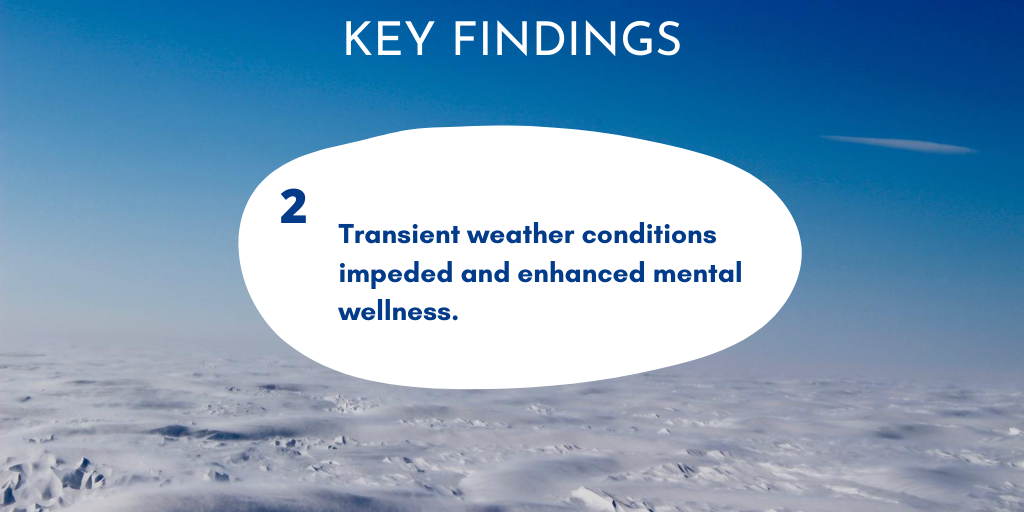
Congratulations to Dr. Jacqueline Middleton for a new publication about climate change and Inuit mental health in Nunatsiavut, Canada.

Jacquie’s article was published in Social Science and Medicine and is (free) open-access.

Middleton, J., Cunsolo, A., Jones-Bitton, A., Shiwak, I., Wood, M., Pollock, N., Flowers, C., Harper, S.L., 2020. “We’re people of the snow:” Weather, climate change, and Inuit mental wellness. Soc. Sci. Med. 262, 113137. https://doi.org/https://doi.org/10.1016/j.socscimed.2020.113137

New Publication! Global review of climate change, resilience, and Indigenous knowledge

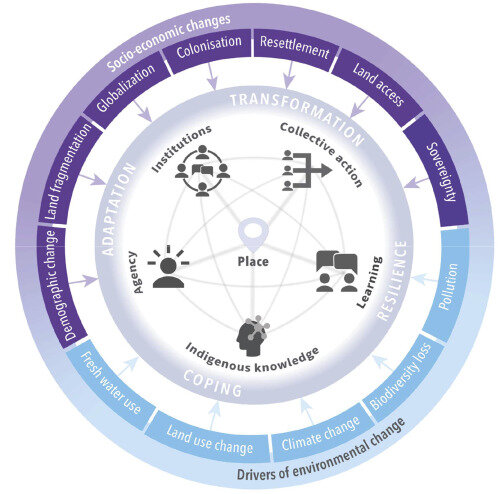
A new paper led by James Ford, and co-authored by CCGH team members Nia King and Sherilee Harper, was just published in One Earth. The article, titled “The Resilience of Indigenous Peoples to Environmental Change” examines how issues of sovereignty, power, social justice, development, and history impact the resilience of Indigenous peoples to environmental change globally.

Citation: Ford, J. D., King, N., Galappaththi, E. K., Pearce, T., McDowell, G., & Harper, S. L. (2020). The Resilience of Indigenous Peoples to Environmental Change. One Earth2(6), 532-543. Access the article here (free open-access)

New Publication! Climate change, water and human health research in the Arctic

We are excited to share a new publication, “Climate change, water and human health research in the Arctic” recently published in a Water Security special issue on water, adaptation and resilience.

The article was authored by Sherilee Harper, Carlee Wright, Stephanie Masina, and Shaugn Coggins.

What trends in the literature did the review uncover?

Article citation:

Harper, S. L., Wright, C., Masina, S., & Coggins, S. (2020). Climate change, water, and human health research in the Arctic. Water Security, 10, 100062. Click here to access the article (free open-access).

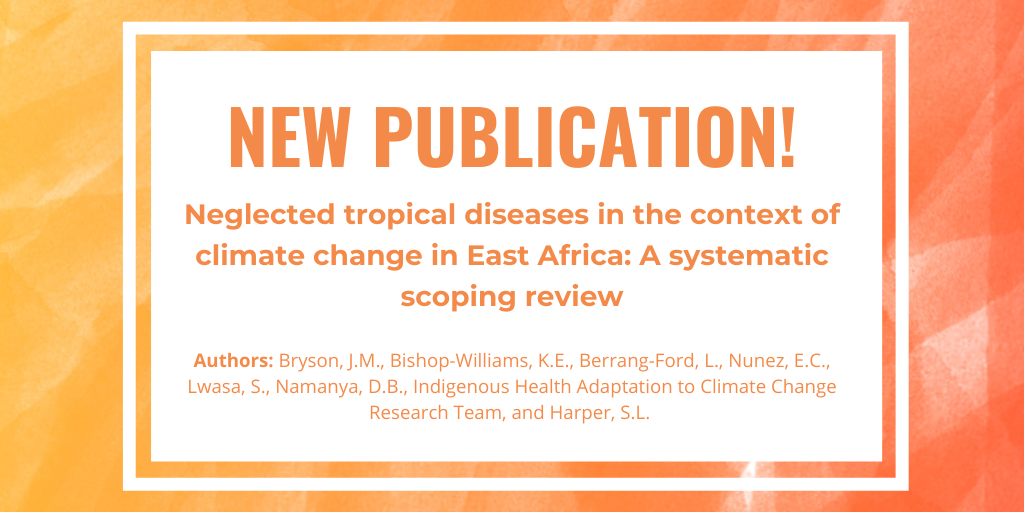
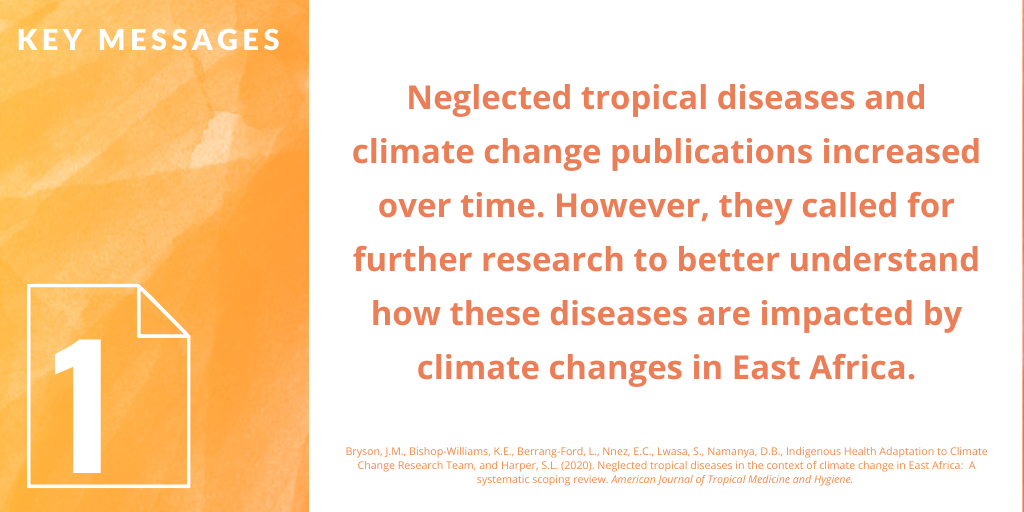
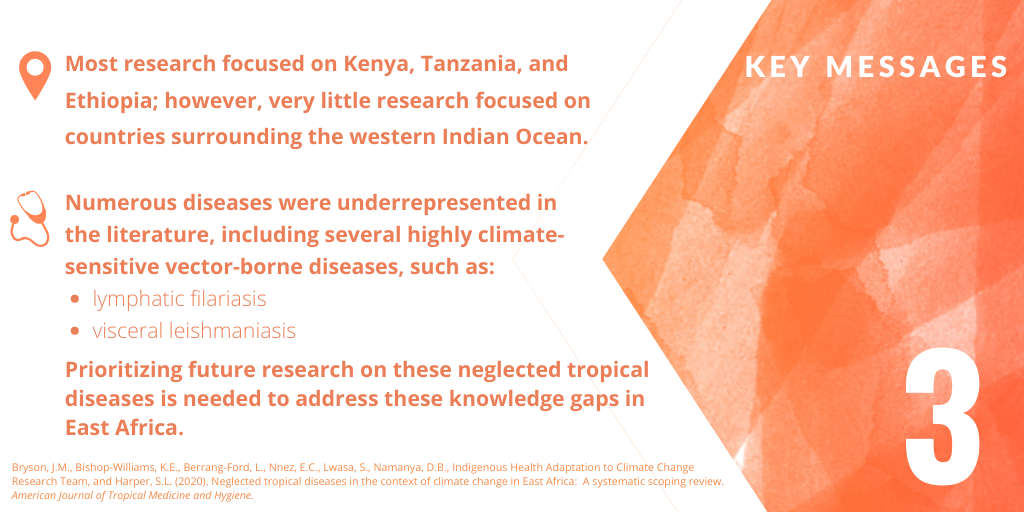
New Publication! Trends in NTD and climate change research in East Africa

Congratulations to Julia Bryson on her recent publication, entitled, “Neglected tropical diseases in the context of climate change in East Africa: A systematic scoping review”.

Citation:

Bryson, J. M., Bishop-Williams, K. E., Berrang-Ford, L., Nunez, E. C., Lwasa, S., Namanya, D. B., Indigenous Health Adaptation to Climate Change Research Team, & Harper, S.L.. (2020). Neglected Tropical Diseases in the Context of Climate Change in East Africa: A Systematic Scoping Review. The American Journal of Tropical Medicine and Hygiene, 102(6), 1443–1454. Click here to access the article.

Congratulations to Dr. Danielle Julien!

Congratulations to Dr. Danielle Julien for successfully defending her PhD thesis dissertation!

Following a One Health approach, Danielle worked with collaborators to investigate canine zoonoses. As part of her thesis, she worked closely with partners in Nunavut to investigate the prevalence of Giardia and Cryptosporidium in different dog populations. You can read more about these Nunavut study results here.


Congratulations Danielle!

danielle_photo_bio-e1470680520329.jpg


New Publication! Climate change impacts on Indigenous Shawi water systems are exacerbated by deforestation

Paola_instagram_Page_1.jpg

Congratulations to Dr. Paola Torres-Slimming on her recent article, entitled “Climatic Changes, Water Systems, and Adaptation Challenges in Shawi Communities in the Peruvian Amazon”, that was recently published in Sustainability for a special issue on Local Water Security for Health.

Climate change impacts on water systems have consequences for Indigenous communities. As the lead-author of the article, Paola worked in partnership with Indigenous Shawi to document climatic changes on water systems and resultant impacts on health and livelihoods, and explored adaptation options and challenges.

Paola’s study documents how Indigenous peoples are experiencing climatic impacts on water systems, and highlights how non-climatic drivers, such as deforestation, exacerbate climate change impacts on water systems and community livelihoods in the Peruvian Amazon.

Paola_instagram_Page_2.jpg
Paola_instagram_Page_3.jpg
Paola_instagram_Page_4.jpg

New Publication! Characterizing climate change impacts on Indigenous peoples' mental health

Congratulations to Jacqueline Middleton for her recent publication, entitled “Indigenous mental health in a changing climate: a systematic scoping review of the global literature”, published in Environmental Research Letters.

Indigenous Peoples globally are among those who are most acutely experiencing the mental health impacts of climate change; however, little is known about the ways in which Indigenous Peoples globally experience climate-sensitive mental health impacts and outcomes, and how these experiences may vary depending on local socio-cultural contexts, geographical location, and regional variations in climate change. Thus, in this article, Jacqueline examined the extent, range, and nature of published research investigating the ways in which global Indigenous mental health is impacted by meteorological, seasonal, and climatic changes.

What did we find?

001.png
002.png
003.png

Citation:

Middleton, J., Cunsolo, A., Jones-Bitton, A., Wright, C.J., Harper, S.L., 2020. Indigenous mental health in a changing climate: a systematic scoping review of the global literature. Environ. Res. Lett. 15, 053001.https://doi.org/10.1088/1748-9326/ab68a9

Global Health Fair at the University of Alberta

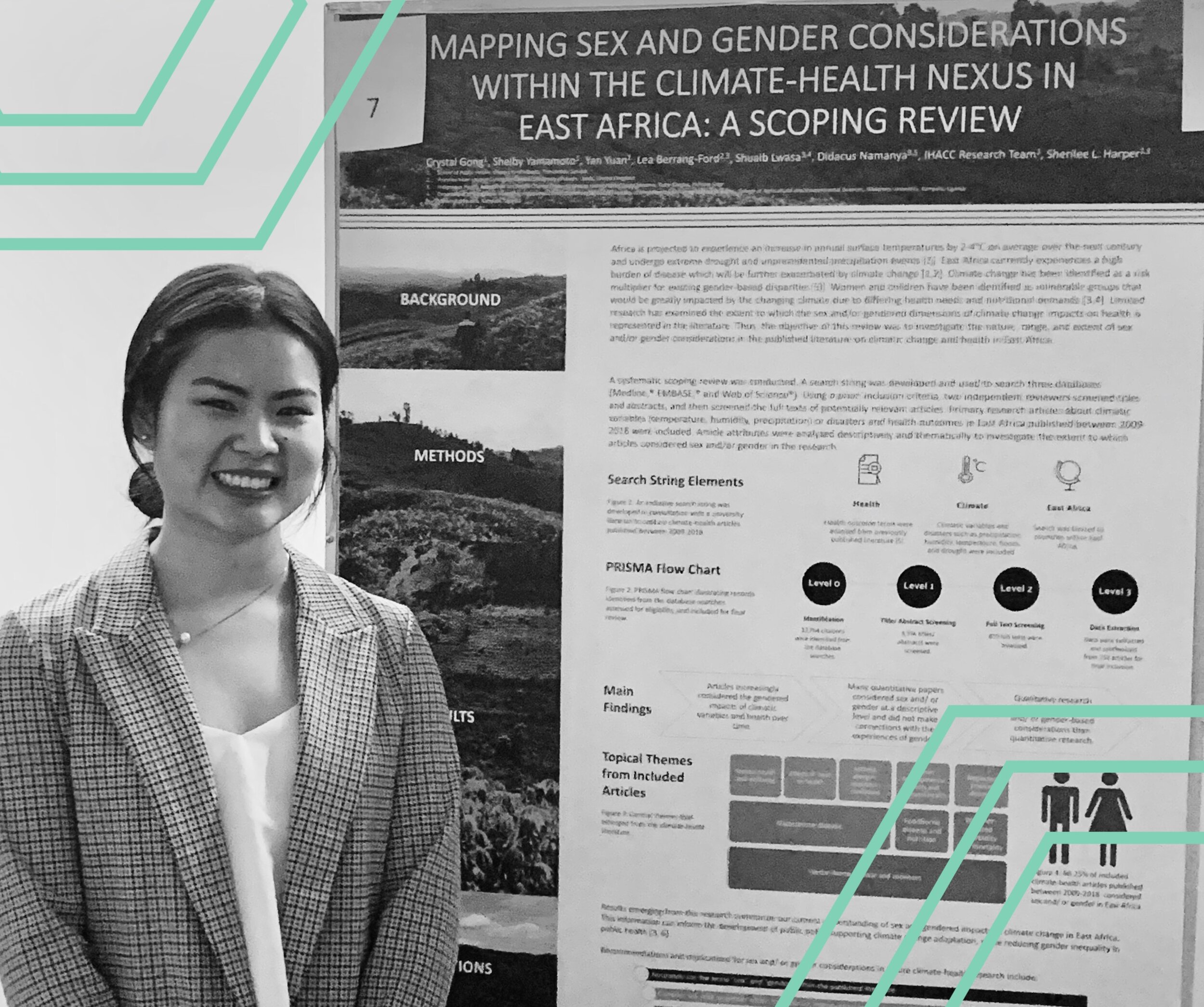
Last week, MSc Candidate Crystal Gong presented a poster at the Global Health Fair at the University of Alberta.

Crystal’s poster presented preliminary results from her systematic scoping review that examines how gender and/or sex are considered in climate-health research that takes place in East Africa.

Global Health Fair

2020


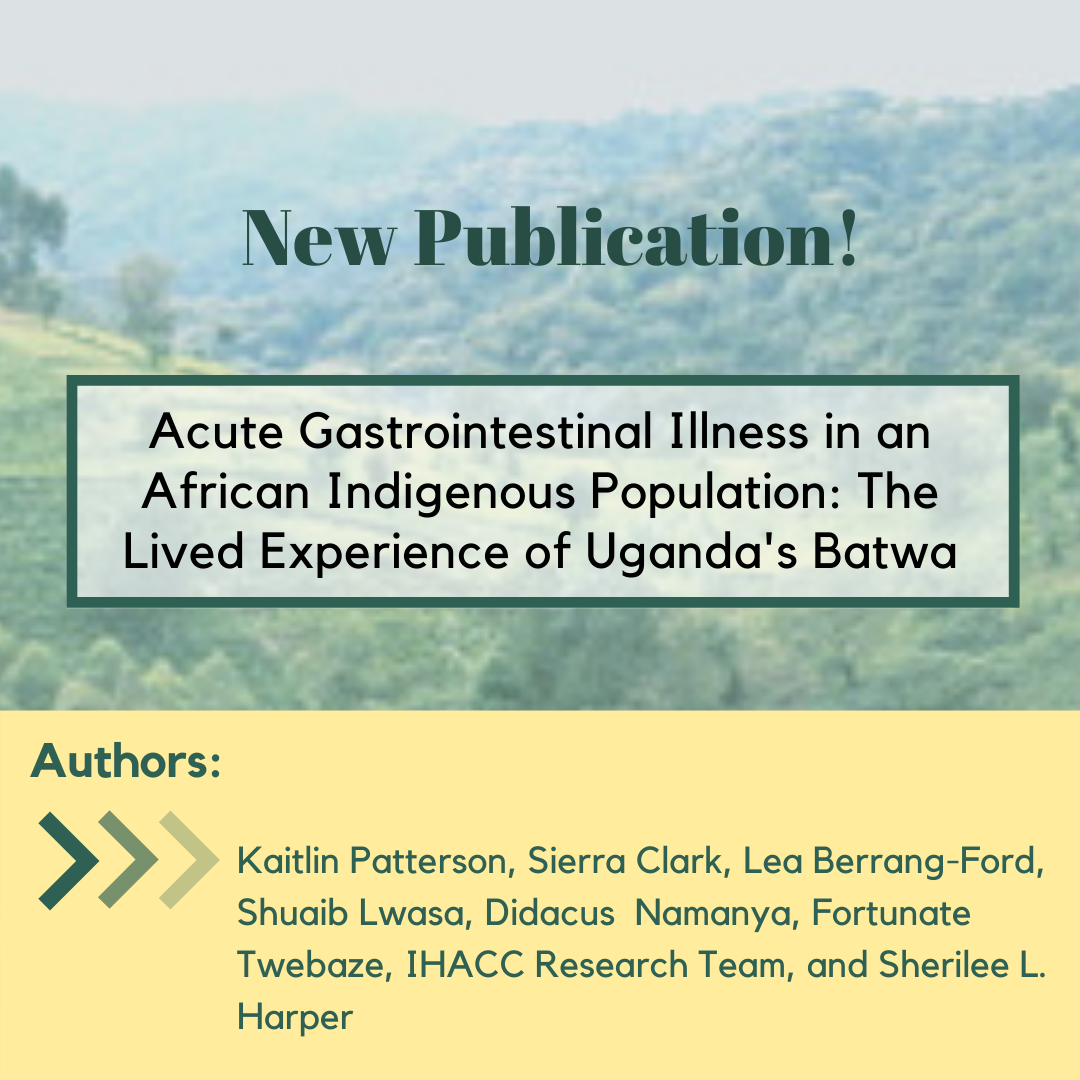
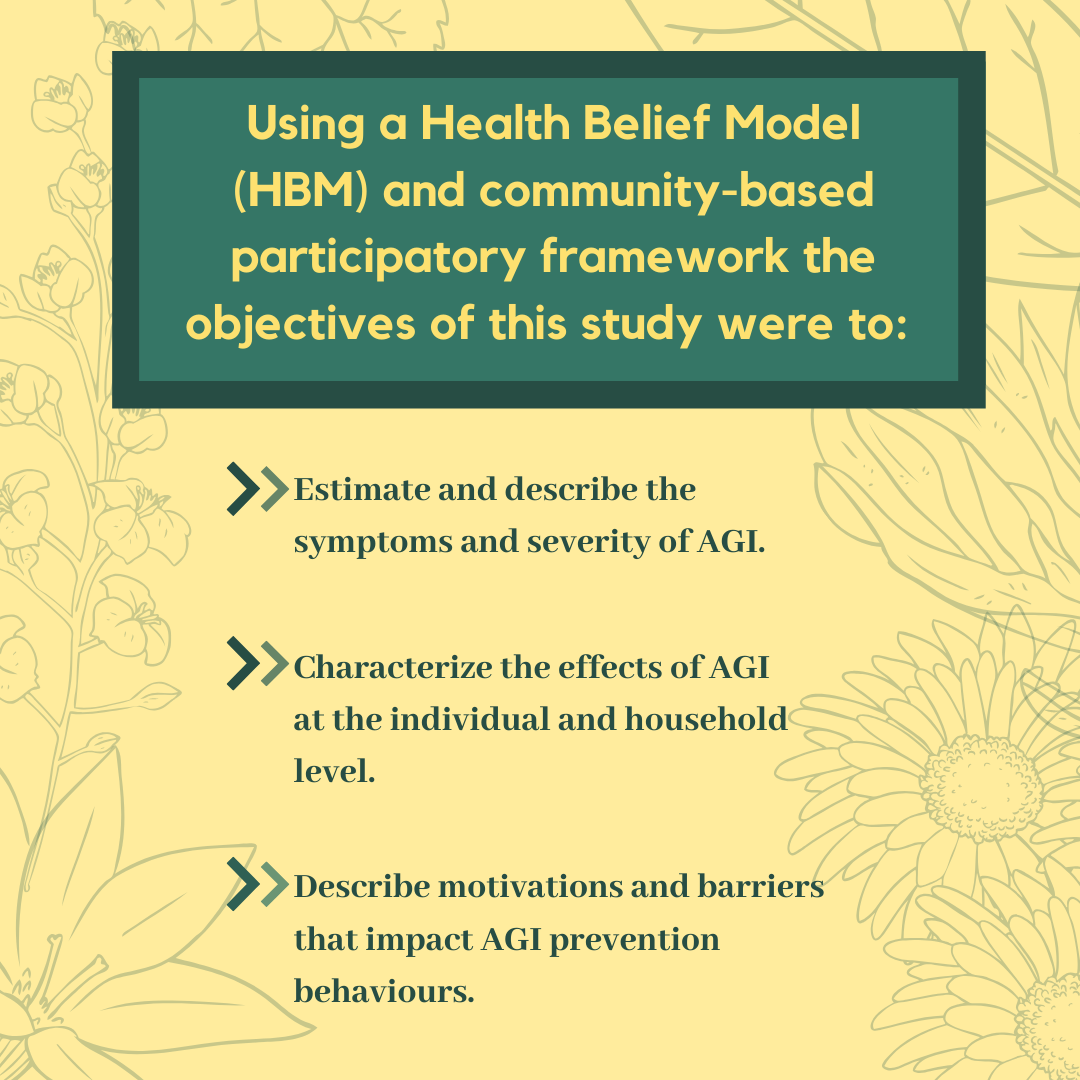
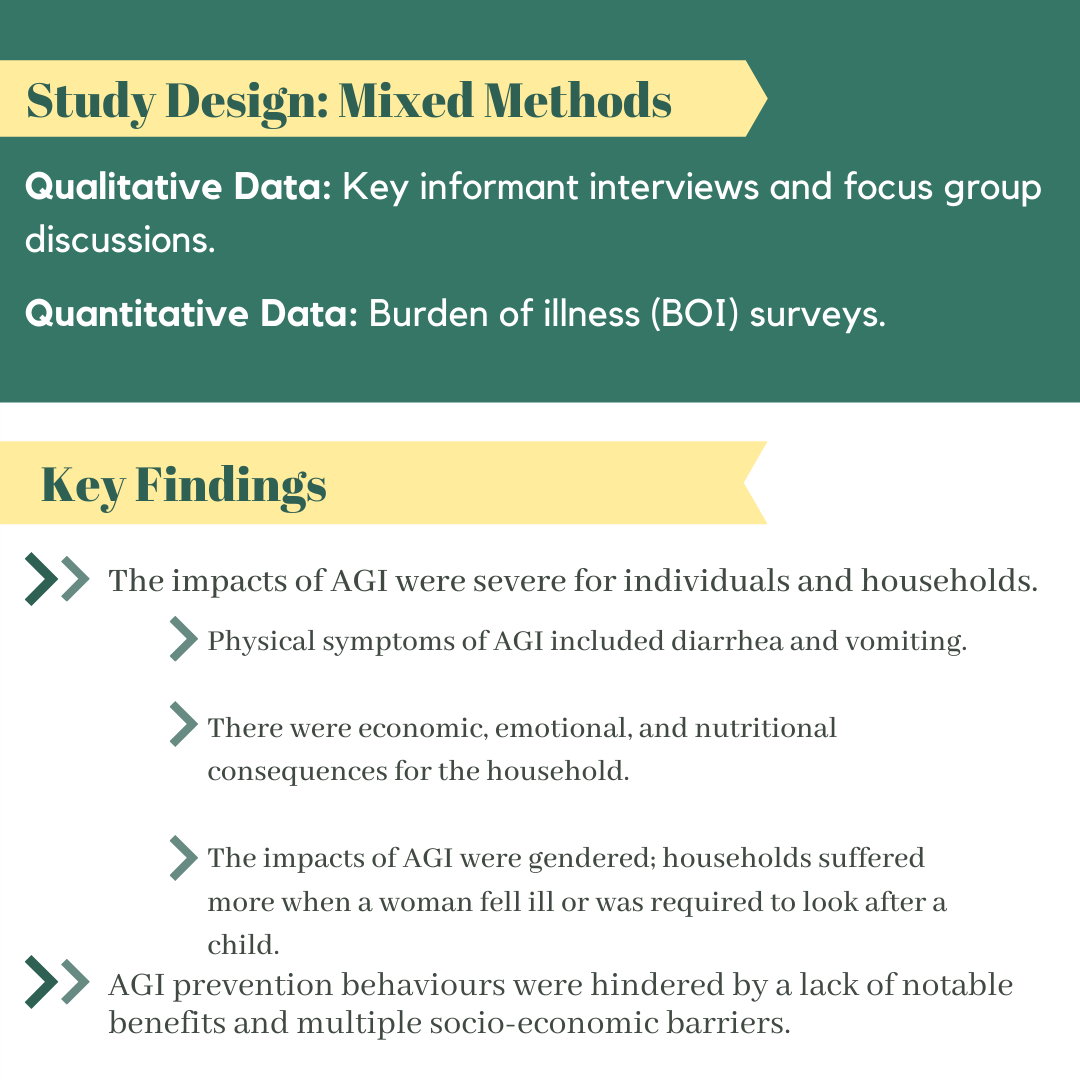
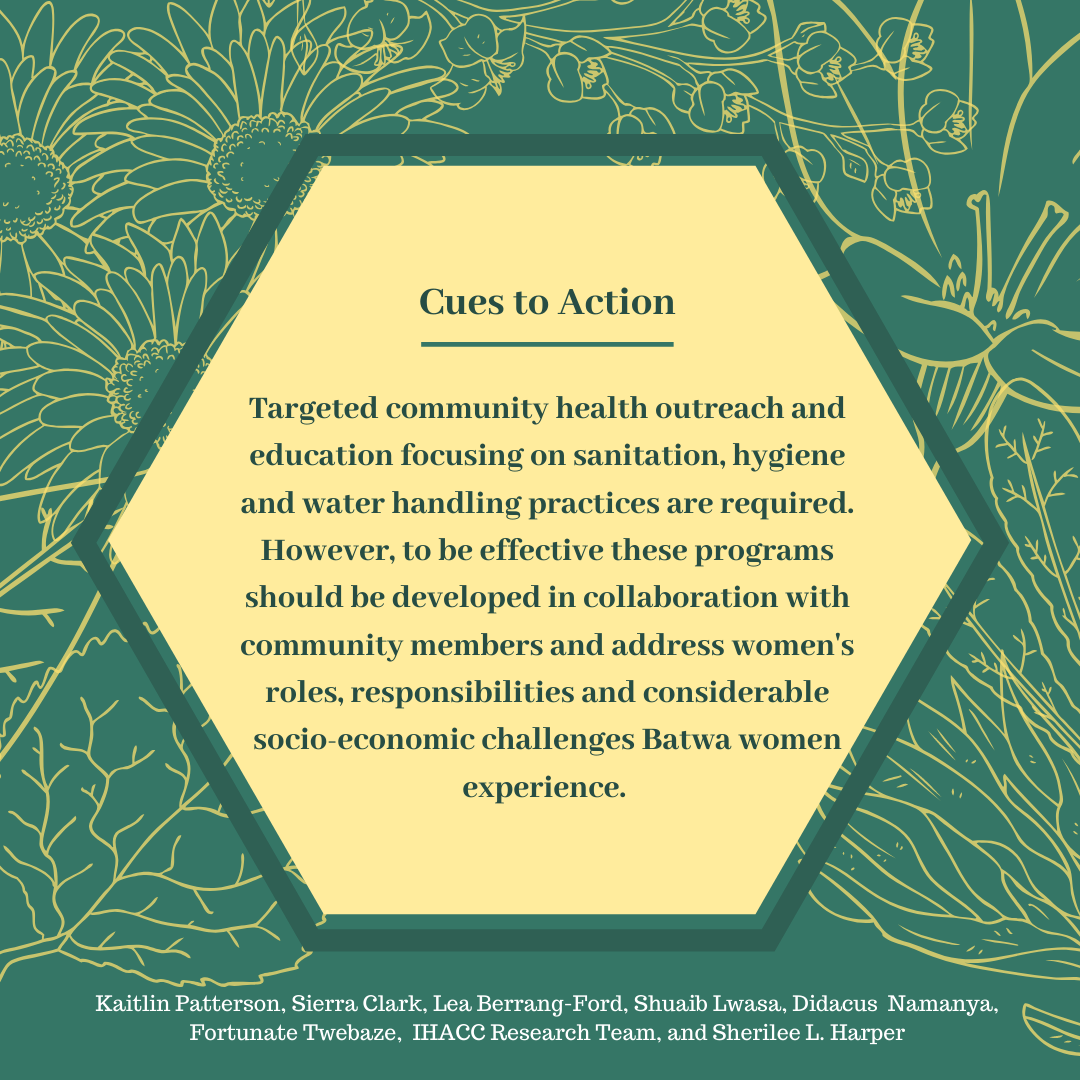
Acute gastrointestinal illness prevention needs to go beyond education

New publication

Congratulations to Kaitlin Patterson for her new publication that examined the lived experience of acute gastrointestinal illness for Indigenous Batwa in Uganda.

Inuit are the best scientists to monitor Arctic climate change

New Publication!

“The best scientists are the people that’s out there”: Inuit-led integrated environment and health monitoring to respond to climate change in the Circumpolar North

What was the article about?

An article led by Dr. Alexandra Sawatzky, Rigolet Inuit, and others characterized how Inuit have monitored the environment for centuries, and how this extends to climate change monitoring and response today.


What were the Key Messages from the Article?

Why is Inuit-led monitoring important amidst unprecedented climate change in the North? This article documented, that for Inuit in Rigolet:

A summary of the key messages:

Here is a visual summary of why Inuit-led monitoring is important for Rigolet Inuit to adapt to climate change:

Figure 2@300x.png

Want to access the article?

You can view the PDF of our article on Inuit-led environment-health monitoring to adapt to climate change in Rigolet here: https://rdcu.be/b0H8w

Citation: Sawatzky, A., Cunsolo, A., Jones-Bitton, A., Gillis, D., Wood, M., Flowers, C., Shiwak, I. and Harper, S.L., (2020). “The best scientists are the people that’s out there”: Inuit-led integrated environment and health monitoring to respond to climate change in the Circumpolar North. Climatic Change, https://doi.org/10.1007/s10584-019-02647-8