Perceived causes of diarrhea for Indigenous Peruvian Shawi

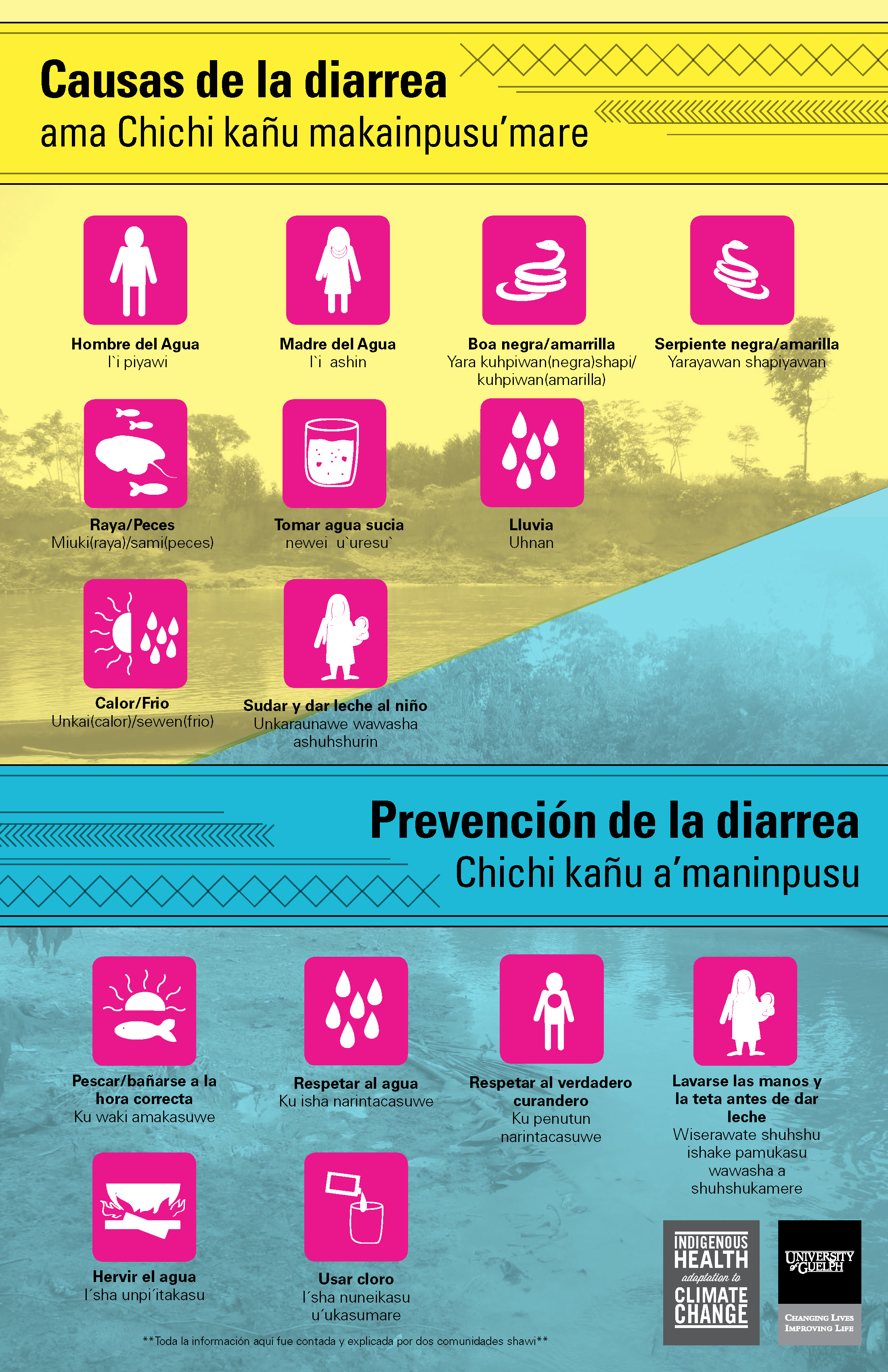
Rebecca Wolff has returned to Peru to begin sharing and validating her research results.  To facilitate the process, Rebecca has created booklets for government and non-government stakeholders, and a poster for each household in the communities she worked with.

Booklet:

[embed]http://issuu.com/sherilee.harper/docs/folleto-_rebecca_wolff.pptx/1[/embed]

Poster:

IHACC_WaterPoster

(designed by André Mersereau)

Jen Jones Questions Who Circumpolar Health Research is Serving at the 16th International Congress on Circumpolar Health

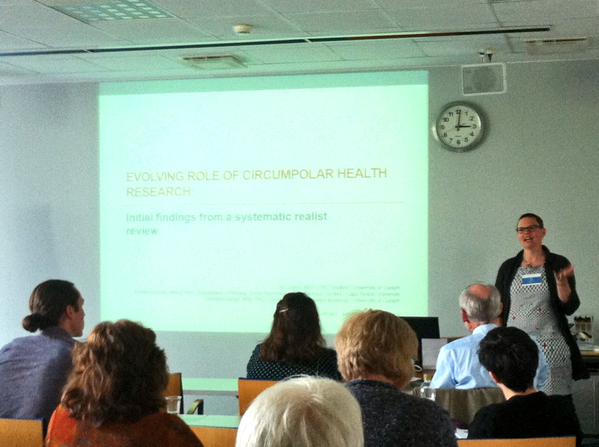
CHI8amEWgAAm9NrJen Jones, PhD Candidate and Trudeau Scholar presented at the 16th International Congress on Circumpolar Health in Oulu, Finland.  In her oral presentation,entitled "Bridging dichotomies in Circumpolar health research: Findings from a systematic realist review", Jen questioned who Circumpolar health research serves.

Presentation Abstract:

Jen Jones, Ashlee Cunsolo Willox, Sherilee Harper (2015) Bridging dichotomies in Circumpolar health research: Findings from a systematic realist review. Oral Presentation at the 16th International Congress on Circumpolar Health, Oulu, Finland.


"Indigenous populations in the Circumpolar North continue to experience health inequities and social inequalities that challenge policy makers, community leaders, and health workers to make sense and use of available research. Yet the response to health disparities compounded by the heterogeneity of populations in the North, has not resulted in an approach or conversation that speaks to tensions between large-scale population health-based research that aim to produce replicable data and community-situated and often small in sample size approaches. If the aim of those working in research, healthcare, policy, or programming is to support health and wellbeing in Circumpolar regions, it becomes incumbent upon on all to consider how findings using a multiplicity of approaches can work together. This issue is particularly germane given that communities have charged traditional epidemiological approaches of not being able to respond to complexities and nuanced issues that inform health and wellbeing. However, findings from both large empirical approaches and community-driven research can support Northern communities address systematic health disparities. Building from a place of strength and recognizing that health research in the Circumpolar North is committed to responding to community level concerns, this presentation communicates findings from a systematic realistic review. Practices from those working in Circumpolar health are shared in effort to stimulate conversation to bridge perceived dichotomies of quantitative/qualitative, Western/Indigenous, and empirical/community driven research approaches as well as underlying assumptions that frame health research. Findings from this review seek to offer ground where researchers, communities, healthcare, other health professionals, and decision-makers using these multiple approaches can communicate findings resulting in customized, locally appropriate responses to health and wellness issues in the North."

(Photo taken by Ashlee Cunsolo Willox)

Bon voyage Paola!

We had the pleasure of hosting Dr. Paola Torres Slimming at the University of Guelph over the past month.  Paola is a medical doctor from Peru, who is conducting her PhD work in Epidemiology at Universidad Peruana Cayetano Heredia (UPCH) with the IHACC project.  Paola visited Guelph for a month through a EkoSanté (ecohealth) scholarship. We will miss you Paola - and we look forward to welcoming you back to Guelph in 2016!

Research Workshop: Day 2 in Montreal

Written by Vivienne Steele On Day Two of the Preparing, Partnering and Participating in Fieldwork Workshop at McGill, Kate introduced some main topics of participatory epidemiology (PE) and community-based participatory research. In the morning session, the group discussion was focused on the benefits and drawbacks of PE research methods. Many useful resources were provided on USBs, including a full guide to PENAPH’s (Participatory Epidemiology Network for Animal and Public Health) course on participatory epidemiology methods. We then discussed strategies for conducting interviews and focus groups, and how to adapt the questions used during the session in particular. Next, several participants provided examples of participatory data collection techniques, including participatory mapping, participatory timelines, simple and pairwise ranking and proportional piling. In each of these techniques, we practiced applying them in small-group settings, conferring after to discuss the advantages and disadvantages of each. After all the jellybeans from the participatory piling technique had been consumed, we wrapped up the day with a discussion on the uses and potential analyses techniques of the participatory epidemiology methods we had practiced during the day. The workshop was a wonderful opportunity to learn and exchange with one another - I look forward to taking this knowledge with me to my next field work experience!


Research Workshop: Day 1 in Montreal

Written by Vivienne Steele Today was Day One of two of the Preparing, Partnering and Participating in Fieldwork Workshop at McGill University in Montreal. Together with students from Dr. Harper’s, Dr. Berrang-Ford and Dr. Ford’s labs, we spent a full day sharing experiences, lessons and suggestions for working with communities in research. In a group setting, we generated definitions for global citizenship, privilege, and positionality in the context of research within IHACC’s partner communities. Many students had visited, or are planning to work in one or more of IHACC’s partner regions, and this provided a great platform and opportunity to share general pre-departure and arrival tips, for both urban and rural settings. The conversation generated excellent examples of the importance of building and maintaining relationships in communities, and being prepared to maintain these relationships when you return home. Budgeting, safety, contingency planning and solution-oriented problem solving in the context of international or different cultural situations were the discussion topics for the afternoon. We concluded the day with a series of “sharing circles.”  Today’s rich discussion was a great way to talk about the challenges and value of fieldwork, and we look forward to day two!


Wrapping Up: The End of Winter'15 Semester

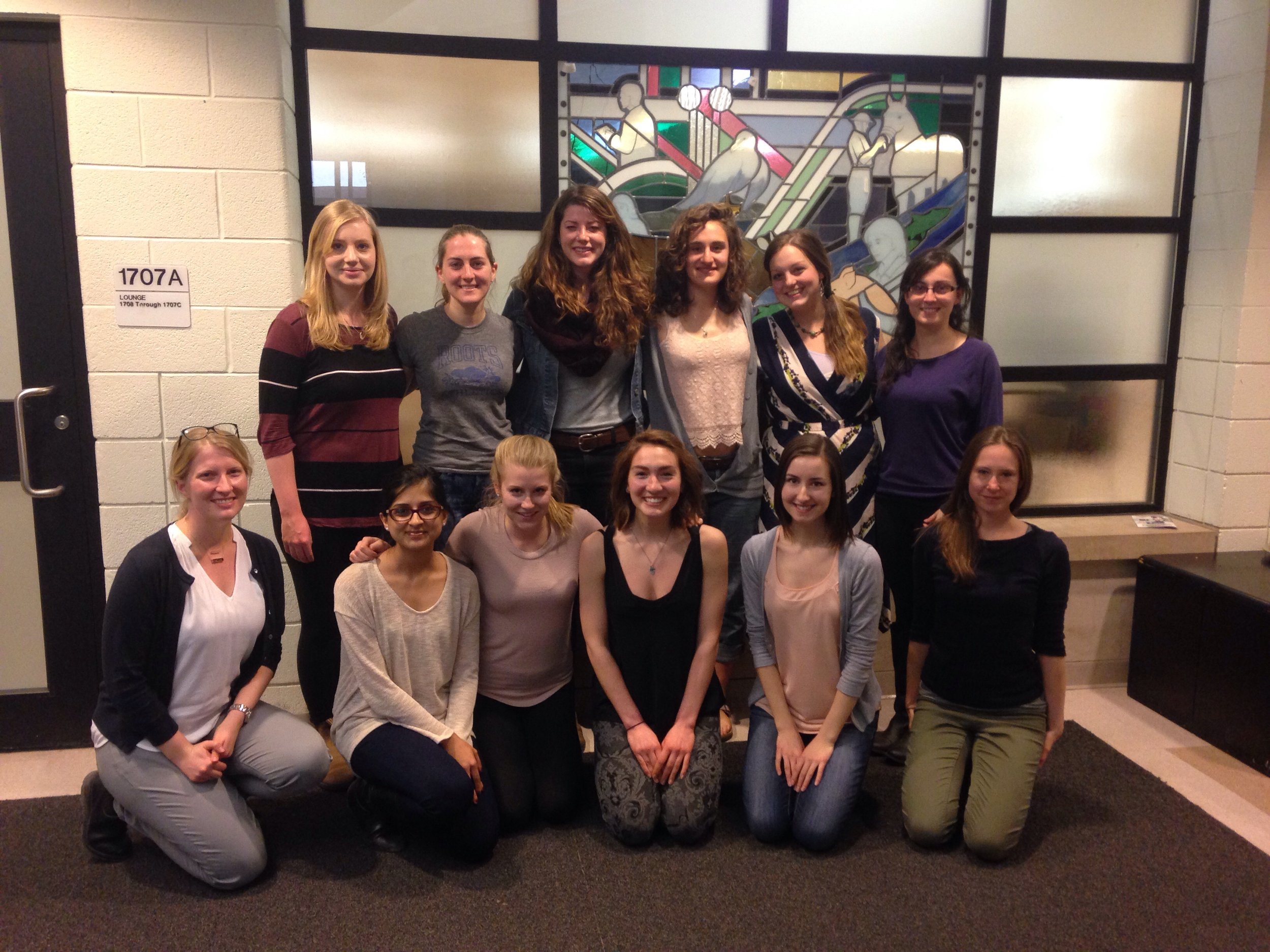
Harper Lab1We recently had our last lab meeting of the Winter 2015 Semester! The EcoHealth Lab will be seeing many students graduate this semester, and we want to say a big congratulations to each of them again! The students have all worked so hard this year, and the rest of the lab is very proud of them! Congratulations to all of you, and the very best of luck to each of you in your endeavours beyond Guelph!

Postcard from Vietnam: Steven in Hanoi!

Written by Steven Lam, MPH Student Prior to finishing my MPH degree, I was given the opportunity to come to Hanoi and work on a research project; an experience made possible through the Mitacs Globalink Research Award.

While I felt a bit terrified, just having basic knowledge of Vietnamese, and meeting my Vietnamese supervisors just once last year, I knew I would not let this opportunity pass up. It’s been a whirlwind of new experiences since I arrived in Hanoi just 3 months ago.

I am working on a project titled “health risks of agricultural intensification in Vietnam” with Sherilee Harper at the University of Guelph, Dr. Tran Thi Tuyet Hanh at the Hanoi School of Public Health, and Dr. Nguyen Viet Hung at the International Livestock Research Institute. Our research focuses on animal and human waste management, a growing concern among public and policy makers alike. Increased livestock production, combined with traditional technologies and management practices may present risks to humans and the environment. This international collaboration seeks to better understand what these risks are, explore challenges and solutions, and inform policy. Understanding and addressing waste management issues are needed for sustainable agricultural production while protecting human health and natural resources.

Through my research I have had the pleasure of interviewing key stakeholders and farmers to explore waste management issues, as well as explore traditional and innovative waste treatment systems on farms. Community members were very open in sharing their culture, practices and beliefs. Interactions with stakeholders have been quite motivating – it’s refreshing to hear from individuals passionate about their research/work.

In my free time, I like to explore Hanoi and surrounding cities by motorbike, try different street-food and practice my Vietnamese with locals. The latter has been extremely helpful, as eventually I was able to conduct some interviews partly in Vietnamese (Thank you Ms. Huong for helping with translation!).

The best parts of this experience are working with talented researchers, building long-lasting relationships, and connecting with local farmers and key stakeholders. I can confidently say that my brief stay in Vietnam so far has been one of the most rewarding experiences, to both my personal and professional development. While my stay in Vietnam is almost over, I look forward to focusing on data analysis and reporting, as well as share my experiences with friends, colleagues, and staff back in Canada.

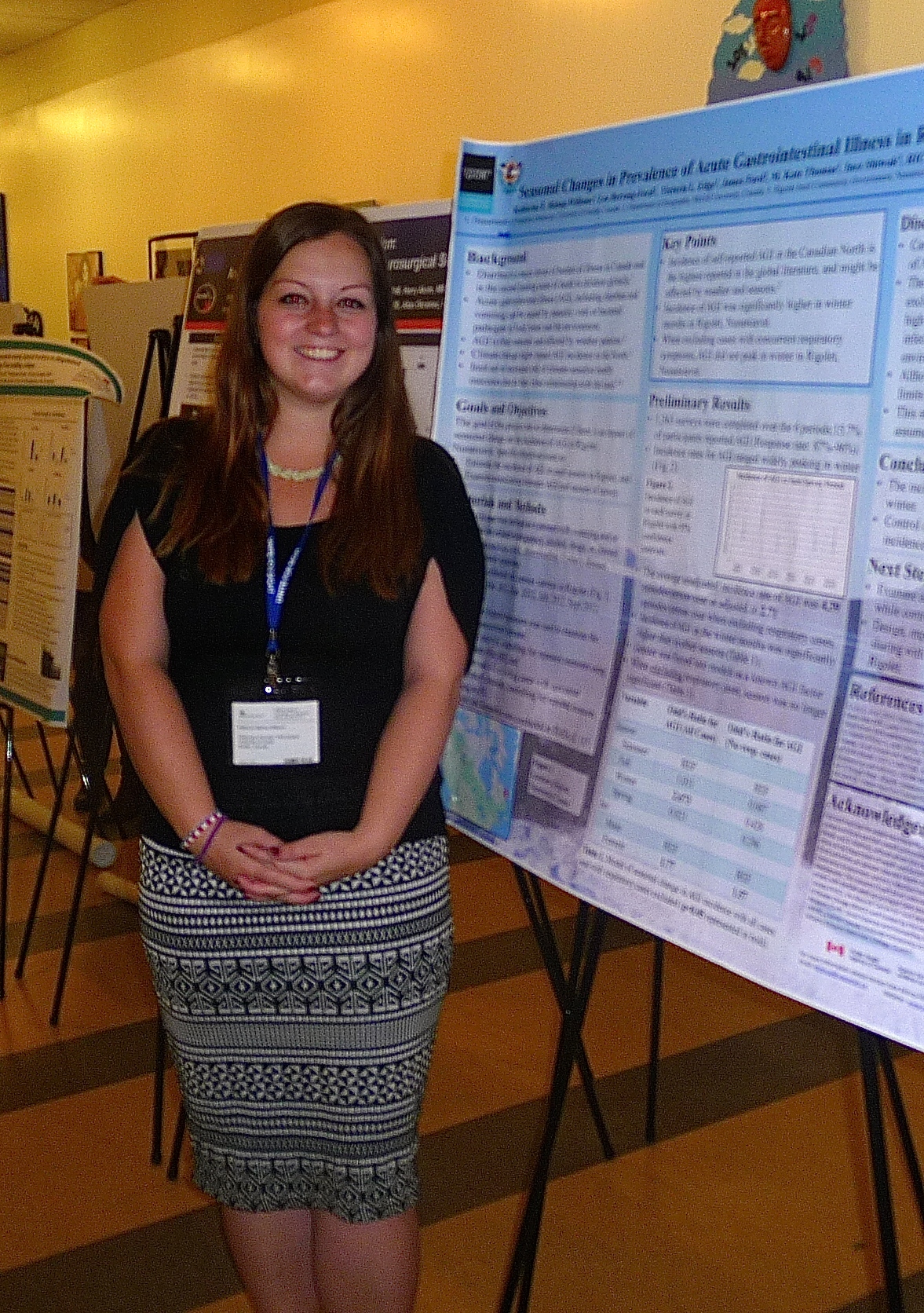
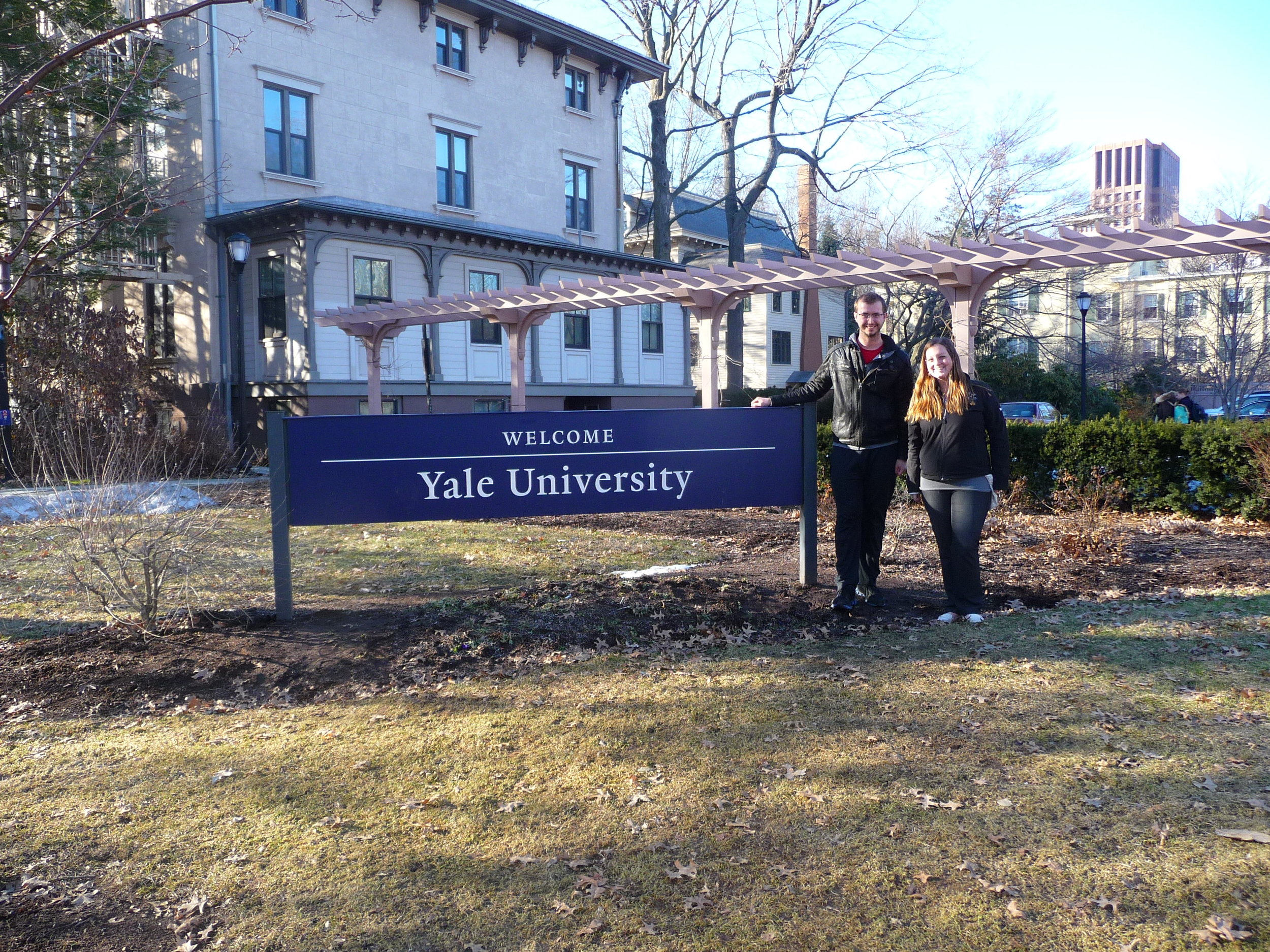
Kate Bishop-Williams presented her work on AGI seasonality in Nunatsiavut at Yale's Global Health Innovations Conference

Best8On Saturday March 28th, Kate Bishop-Williams presented her research entitled Seasonal changes in prevalence of acute gastrointestinal illness and concurrent respiratory symptoms in Rigolet, Nunatsiavut, Canada at the Yale University Global Health Innovations Conference in New Haven, Connecticut. Kate’s abstract selected as one of only 65 student posters from hundreds of submissions from across the United States and around the world. Kate also had the opportunity to meet with former IHACC student researcher Joe Lewnard while at Yale University, and discuss experiences from past and present in Uganda!Best5

 Sierra Clark presented her work on AGI among the Batwa at the Geography Honours poster session at McGill

Sierra is presenting her honours thesis work looking at the burden and lived experience of self-reported20150327_1423341-234x300 acute gastrointestinal illness (AGI) in an Indigenous Batwa-Pygmy population in southwestern Uganda at the Geography Honours poster session today at McGill University.
We take this opportunity to congratulate Sierra on her thesis work!
If you are interested in learning more about Sierra’s work, please read her latest article, published in Epidemiology and Infection in December 2014:

Clark, S., Berrang-Ford, L., Lwasa, S., Namanya, D.B., Edge, V.L., IHACC Research Team, and Harper, S. (2014).The burden and determinants of self-reported acute gastrointestinal illness in an Indigenous Batwa Pygmy population in southwestern Uganda. Epidemiology and Infection, [Epub ahead of print].

ME-300x225


Congratulations to Vivienne Steele!

A special congratulations to Vivienne Steele for winning a CoPEH-CAN Graduate Training Award ($1,000) to attend the 2015 EcoHealth Workshop and Field School.  This year, the course is hosted in Montreal and is entitled "the health of the St Lawrence: from yesterday to today."  Last year, lab members Ellen McDonald and Kate Bishop-Williams won the award. Congratulations Vivienne!

Kate Bishop-Williams Presents at the IECID in Spain

Kate Bishop-Williams presented her preliminary research findings from Rigolet, Nunatsiavut at the first ever International Conference on the Impact of Environmental Change on Infectious Diseases in Sitges, Spain on Monday, March 22, 2015. Kate’s research is entitled: Seasonal changes in prevalence of acute gastrointestinal illness and concurrent respiratory symptoms in Rigolet, Nunatsiavut, Canada. This research was supervised by: Dr. Sherilee Harper, Dr. Lea Berrang-Ford, and Dr. Victoria Edge, and conducted in collaboration with Dr. Kate Thomas, Dr. James Ford, Inez Shiwak and the IHACC research team. Kate’s trip was funded by a Latornell scholarship at the University of Guelph.

Update from the Field: Kate and Vivienne in Uganda!

Written by Vivienne Steele PART 5

P1070568

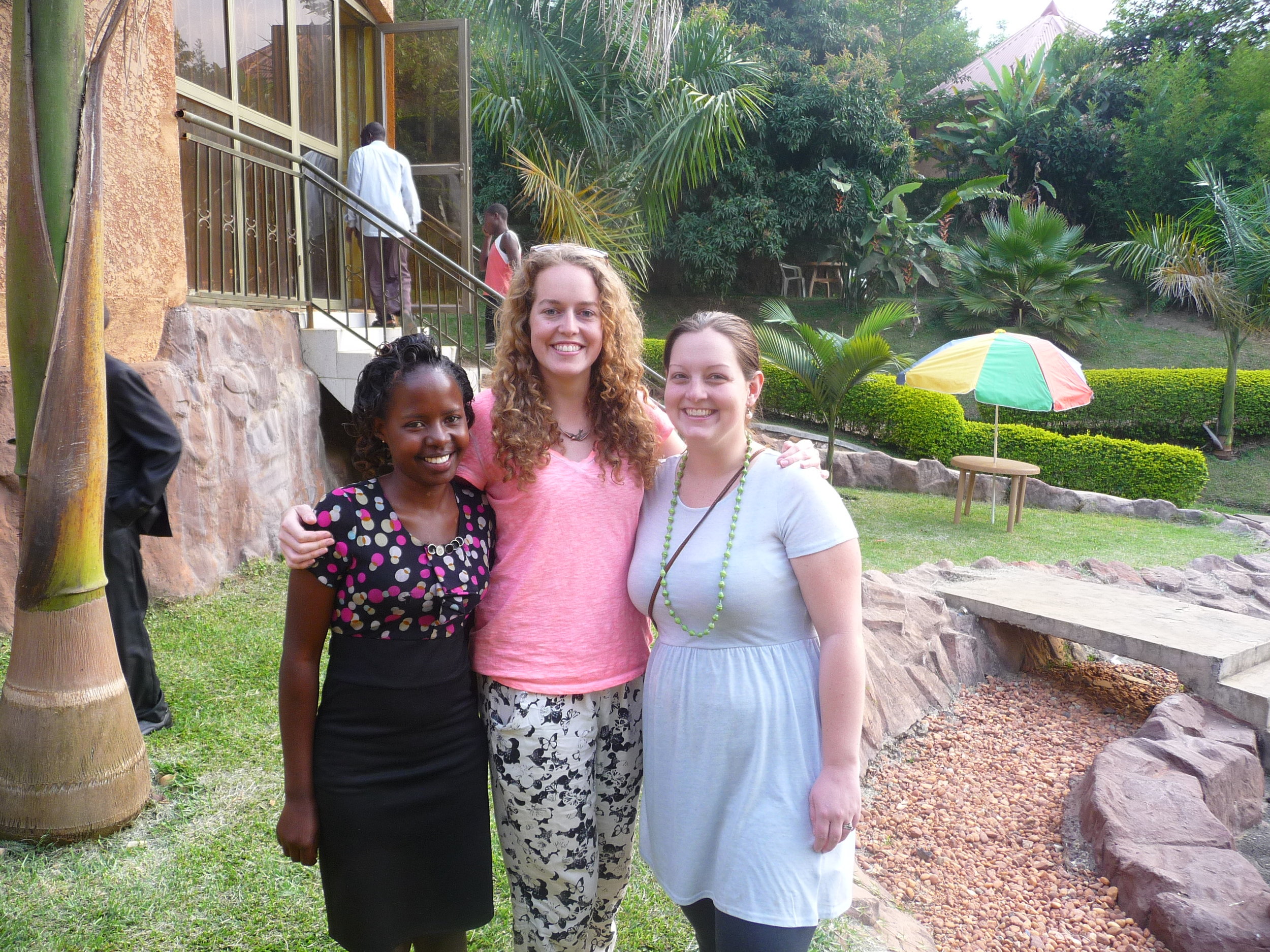
Although we can hardly believe it, Kate and I are now nearing the end of our field work stay here in Buhoma.

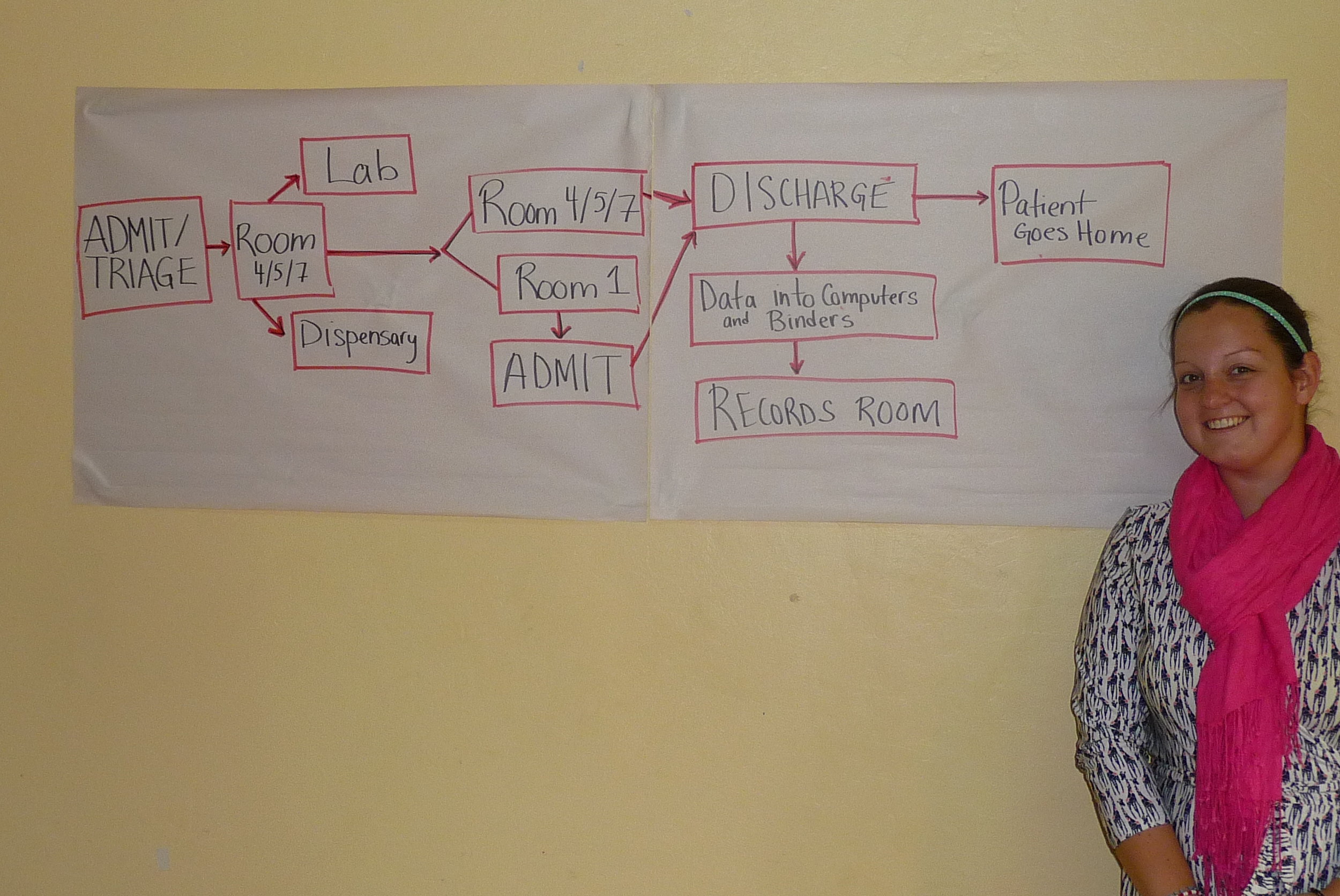
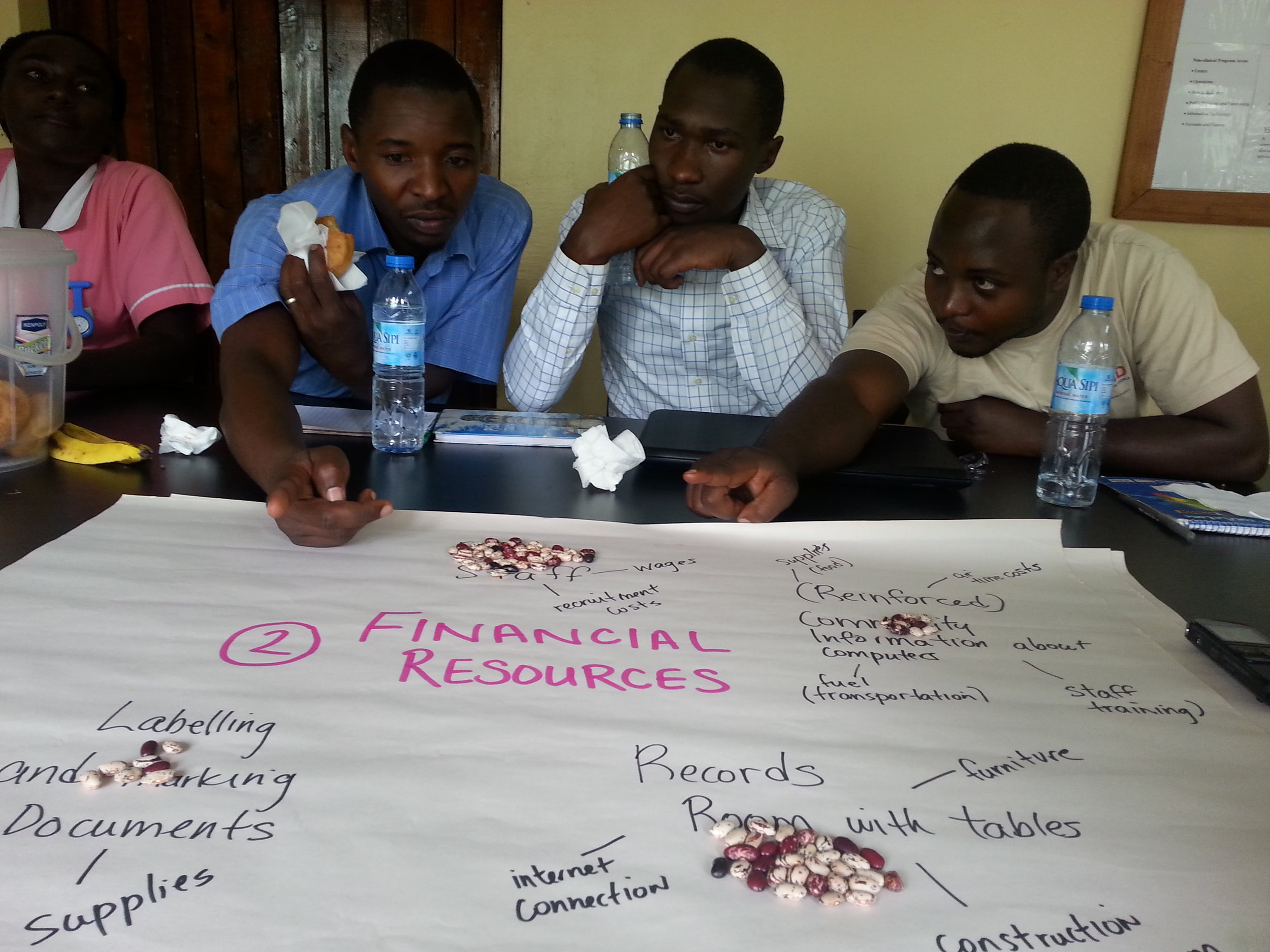
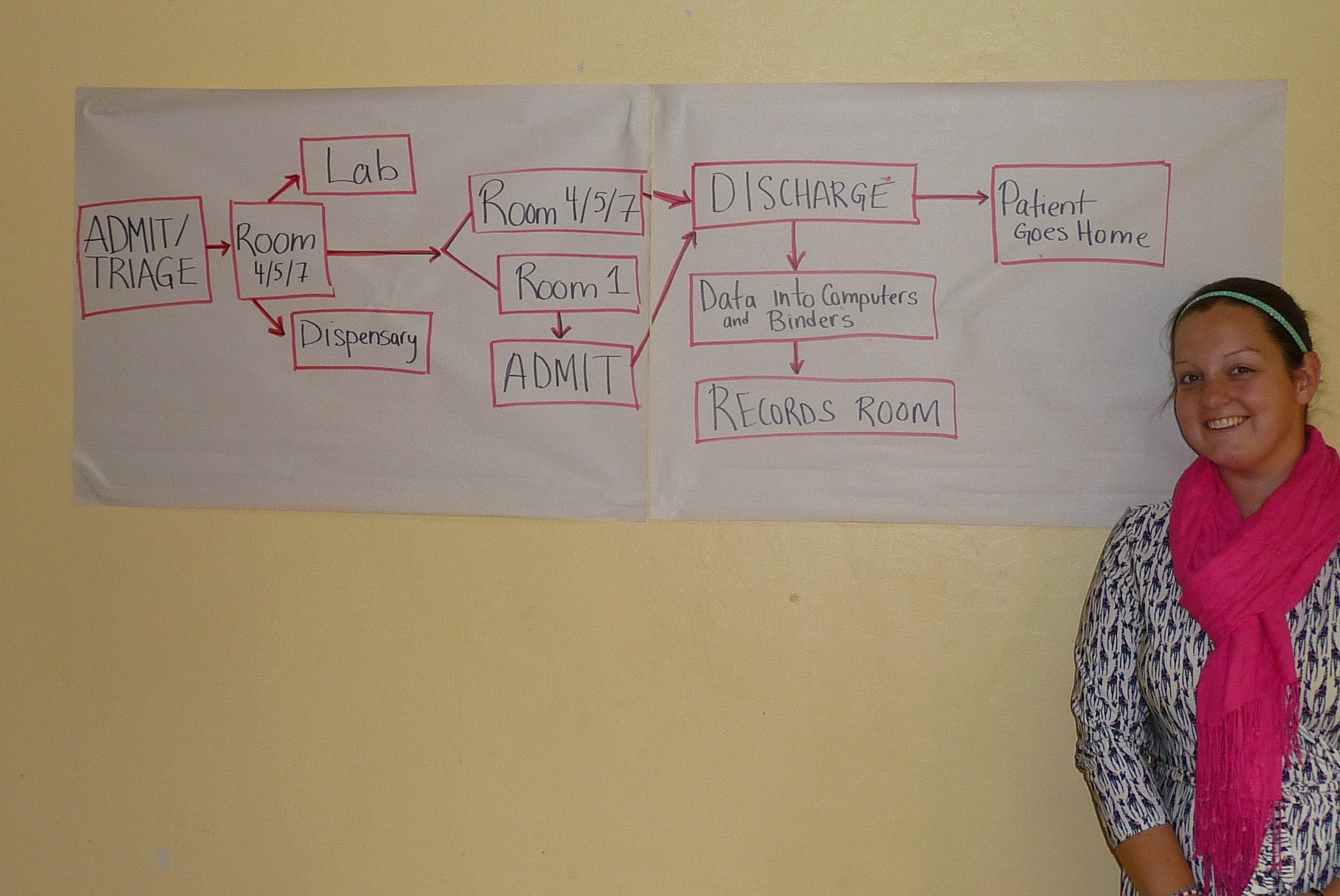
In the past two weeks, we hit a major milestone for our data entry – we have entered all of the data we had aimed to enter, and are now working on entering data from years prior. In the last week, we have made great progress on the health records system report. We have interviewed staff at the hospital, as well as discussed proposed suggestions for the health records system via a focus group. During the focus group, we had a guided conversation about the health records system at BCH, including its uses, applications, strengths and recommendations for improvement. We used a participatory proportional piling activity to reach a group consensus on the best suggestion in terms of priority level, time allowance and cost. We used beans from a local store for the activity, as well as flip charts and markers to initiate and supplement the discussion.
Best5 Best7 Best8 Best10

BEST2As a follow-up to the interviews and focus group, we are preparing the transcripts which will help us set up and guide the discussion for our preliminary results presentation next Monday. We are now focusing on transforming the focus group discussion into report form, in order to provide some suggestions for BCH prior to our departure on Tuesday. We look forward to presenting our preliminary results in a hospital-wide session prior to our departure!

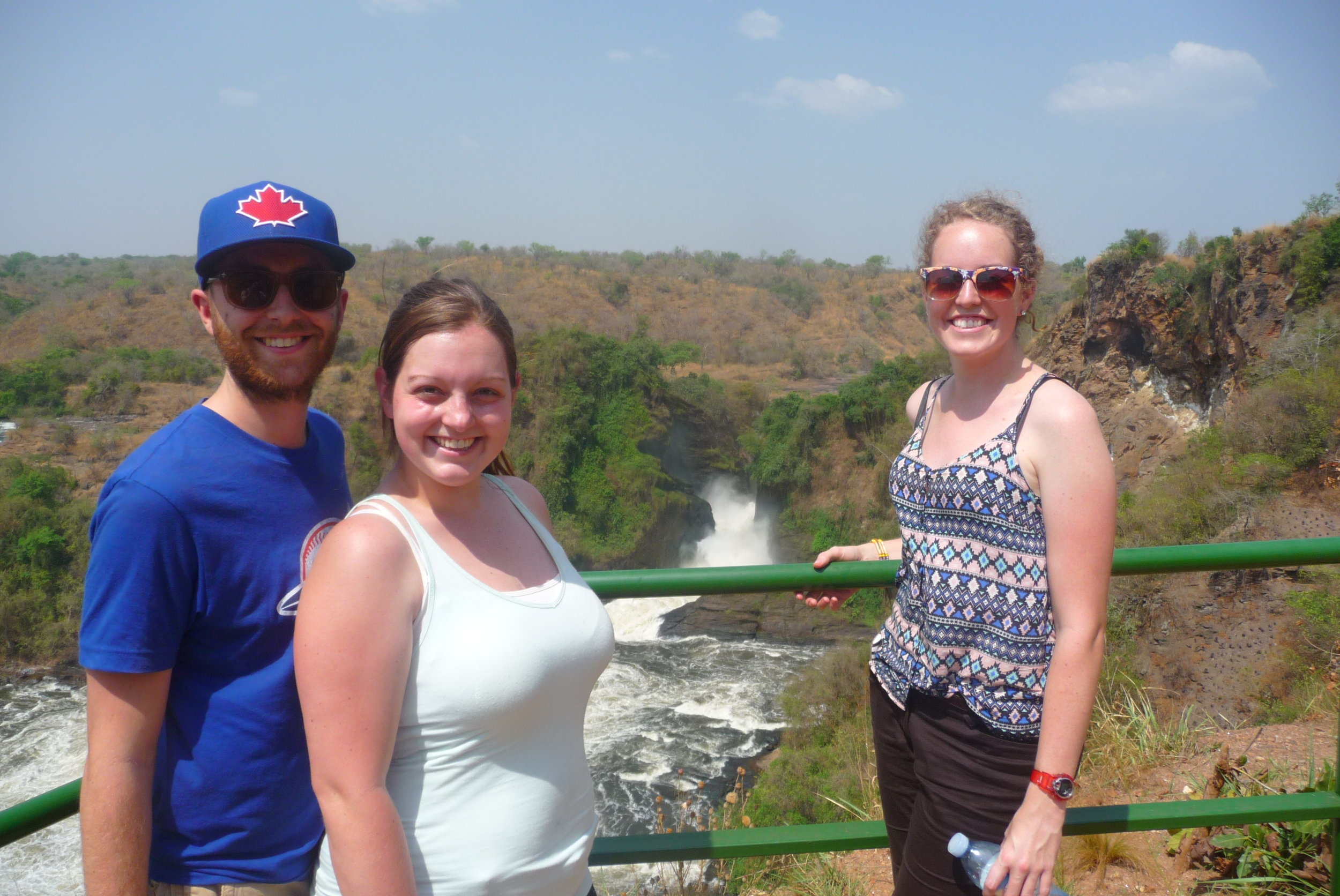
On the past couple of weekends, we have had the chance to see animals in three different National Parks. At Murchison Falls National Park, we had the chance to do a safari BEST3game ride across the savannah. We saw many animals: hippos, antelopes, elephants, buffaloes, giraffes, baboons, monkeys and rhinos. We also did a boat cruise along the Nile River, which allowed us to see crocodiles, many different birds and more hippos and elephants.
Mid-week, we visited Bwindi Impenetrable National Park, where we spotted a few gorillas preparing their nests for the night.Best12
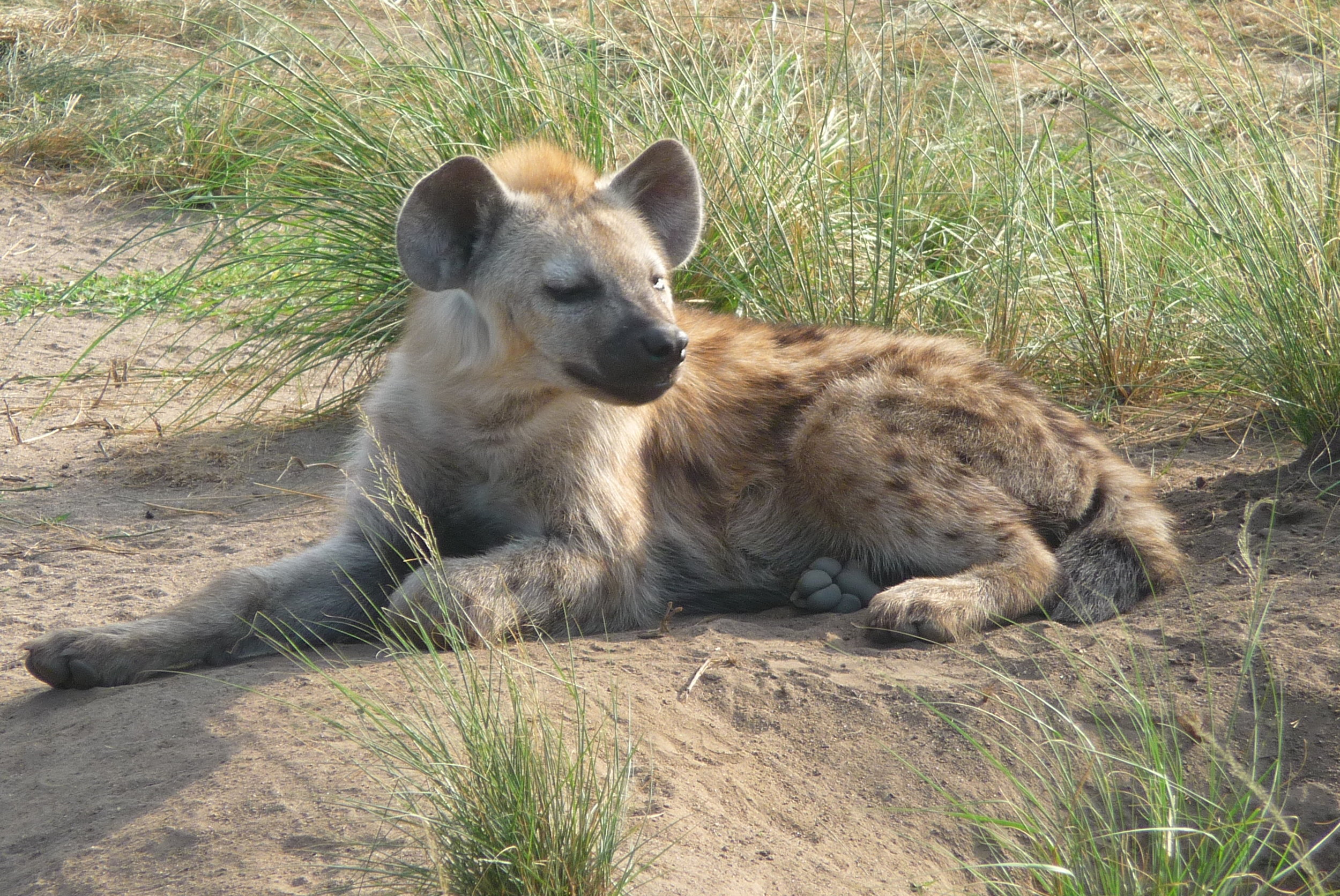
Last weekend we went to Queen Elizabeth National Park, where we saw even more animals. Our guide, Jack, brought us to a hyena den, where we got to see a mother and her week-old hyena. Although we did not see any fig tree- climbing lions as we’d hoped, we got to compare the subtle differences in geography and species within the parks.

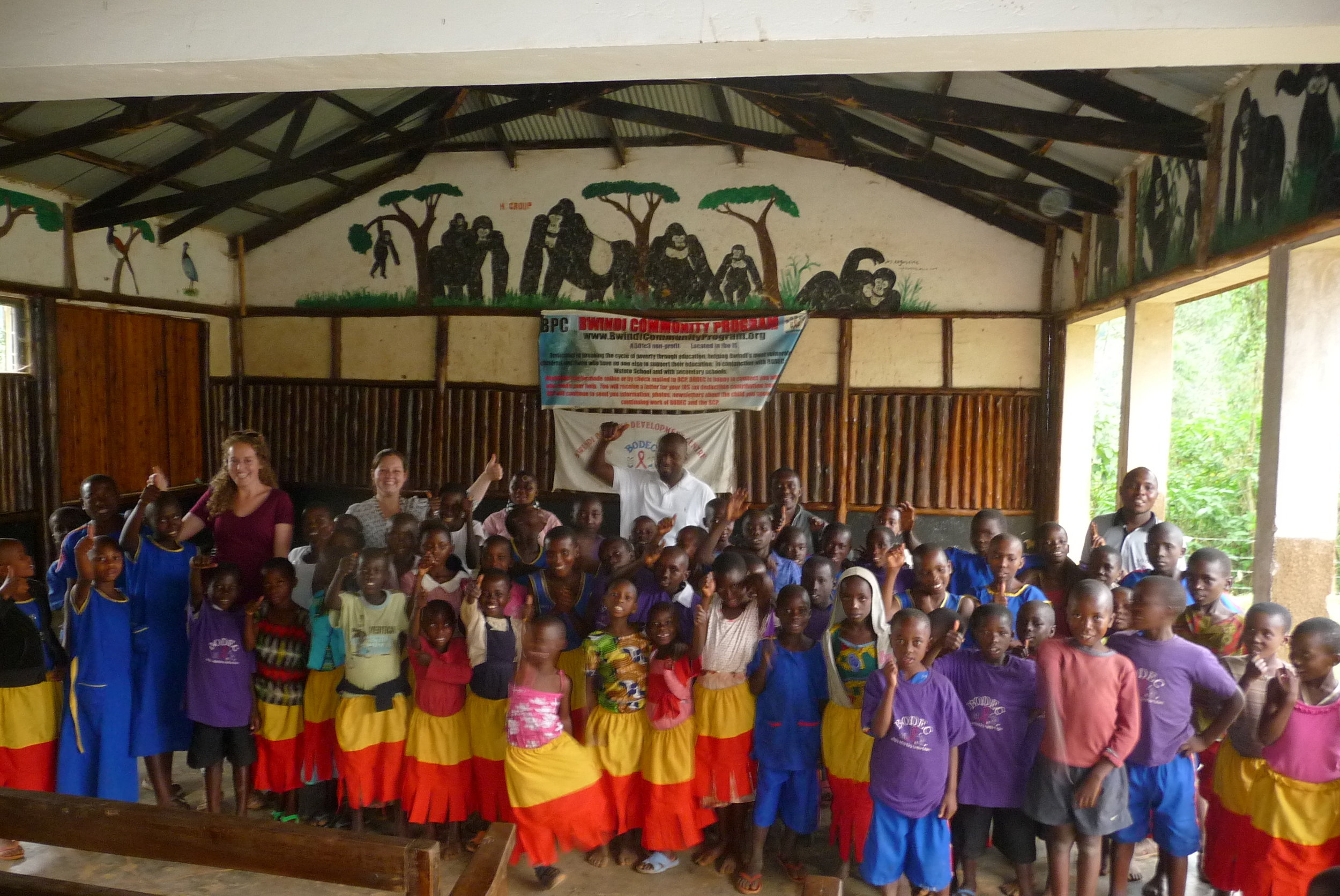
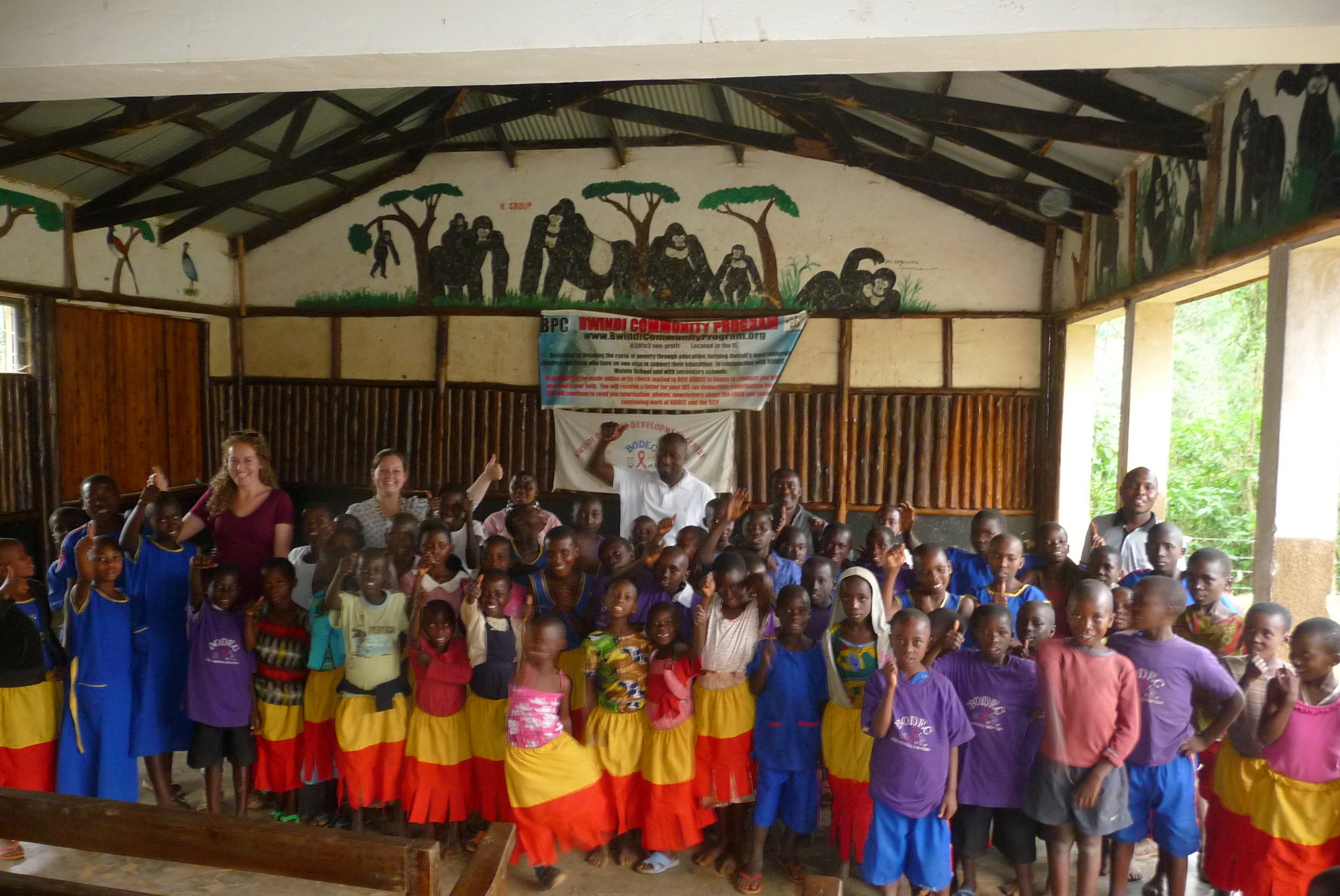
During the week, we attended a pick-up football (soccer) game featuring the hospital staff. We also got to visit the Bwindi Orphans Development Centre, where a group of children performed traditional Rukiga songs and dances. With only a week remaining, we are open to any last chances to visit and learn more about Uganda.
P1070558

Update from the Field: Kate and Vivienne in Uganda!

Written by Vivienne Steele PART 4

Kate and I have been completing field work here in Buhoma for three weeks now, and we are having a great time!

This week we hit a big milestone with our data entry - we achieved our goal of entering all of the data from 2014 and 2013! We have now moved onto a diP1060841fferent data set, which is going quite well. This week we are also starting on a health records system evaluation project – we are looking forward to working on this.
As we had been warned, the first few rainfalls of the rainy season happened this week. We got absolutely drenched on our walk home from the hospital, where the dusty roads became tracked with mud and the passing cars hit the puddles and splashed us! It is also a little bit chillier here now, although it does not compare to current weather back in Canada.P1060838

We had a great weekend! On Saturday, our friend Julius invited us to visit Kigezi Cottages, a beautiful accommodation just outside of Kihihi. The drive there took nearly two hours, as we passed towns and villages whose names were familiar to us from data entry! Grace, a community researcher for IHACC, accompanied us and told us about the places we were passing on the way. We passed by the river which leads to the Congo! Once we got to Kigezi, we almost immediately went for a swim in the pool – it was great. Julius gave us a tour of the many cottage ‘bungalow’ accommodations, which are nestled into colourful foliage – birds of paradise plants, guava fruit trees, the nest of large birds, and many more. Before heading home, Julius also showed us around the food production system which was providing the food for Kigezi cottages. We watched as his staff fed the tilapia and catfish in the fish farm system, as well as the ducks and chickens in the pens.

On Sunday eveP1060886ning, we went to our friend Shallon’s home for a delicious (and huge!) supper. Bob, the IT manager at BCH, also enjoyed dinner with us and with his wife and child. It was a lovely experience to spend time with everyone there, and we were really grateful to have been invited for dinner.

We are looking forward to completing more data entry next week and counting down the days until we will head on a safari in Murchison Falls.